
Last updated November 22, 2026
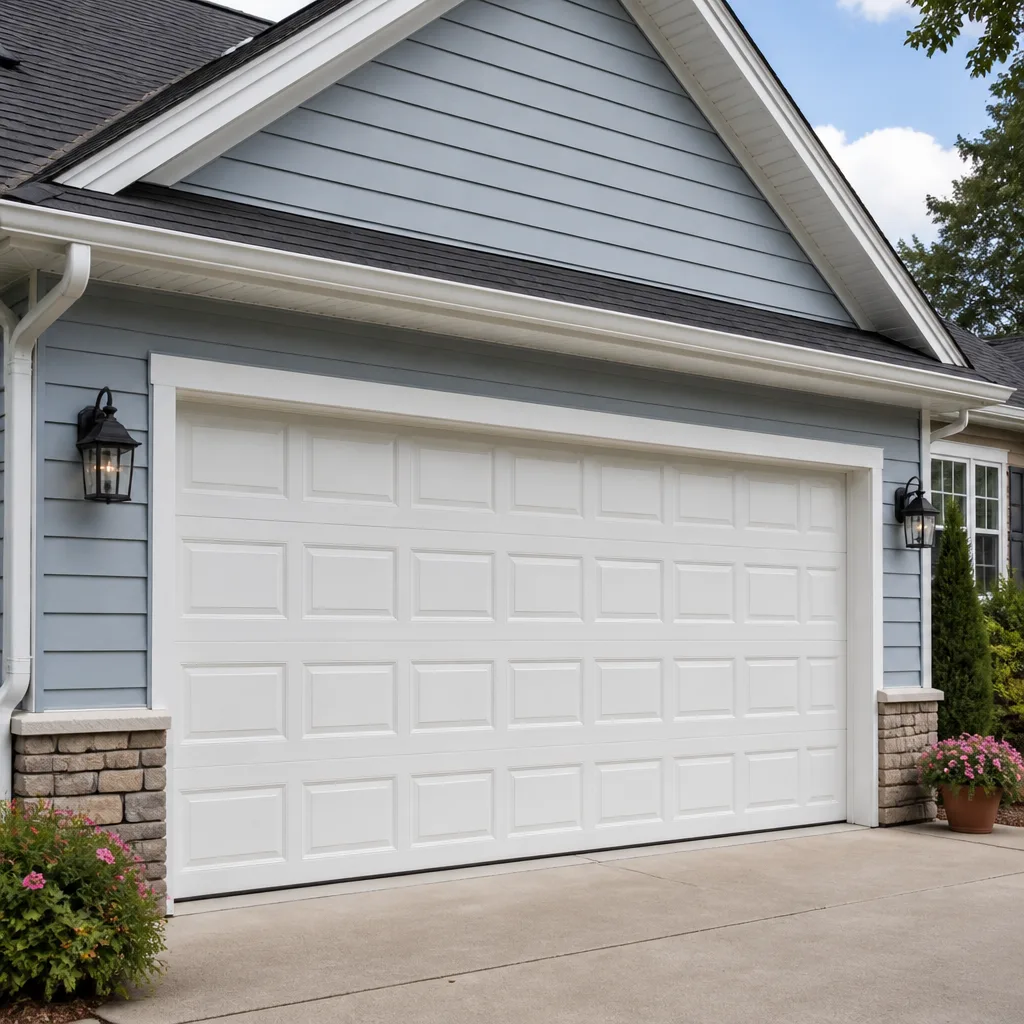 Raised-panel steel
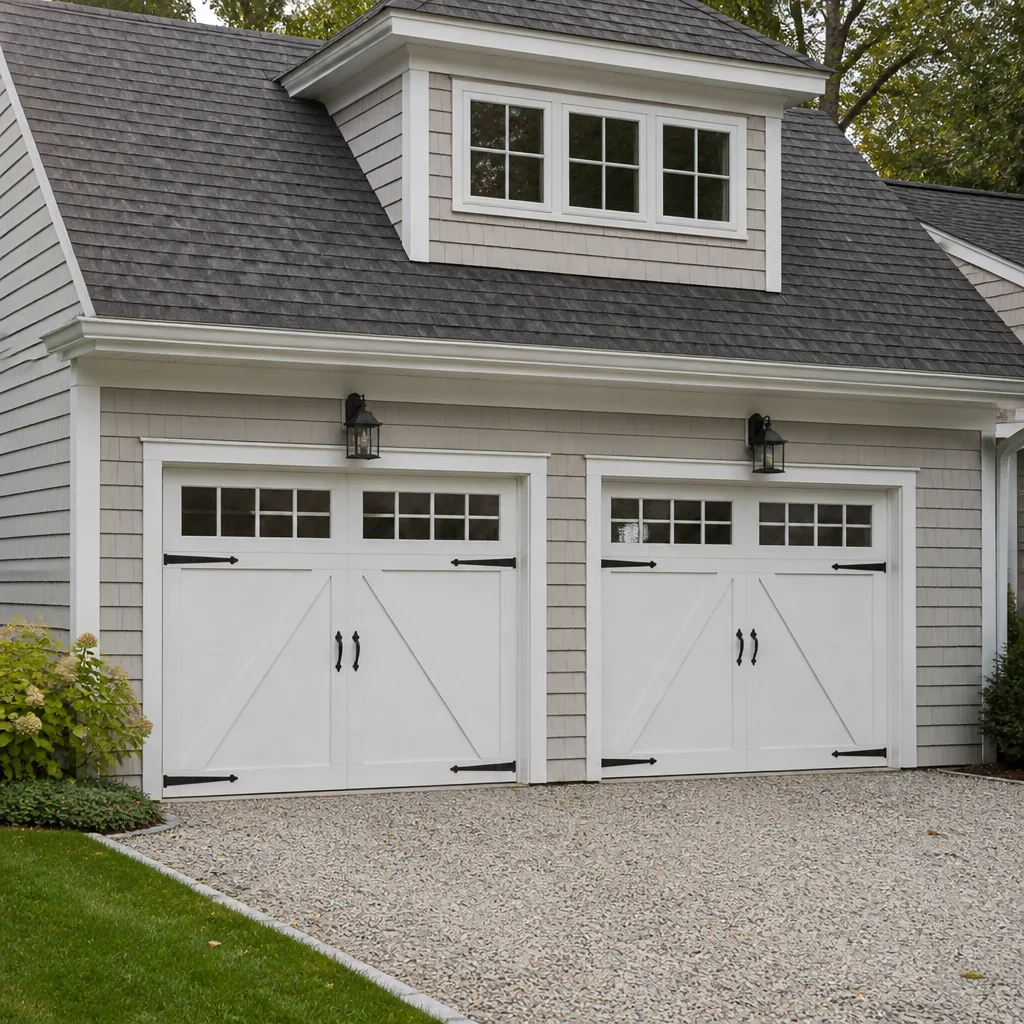 Carriage house
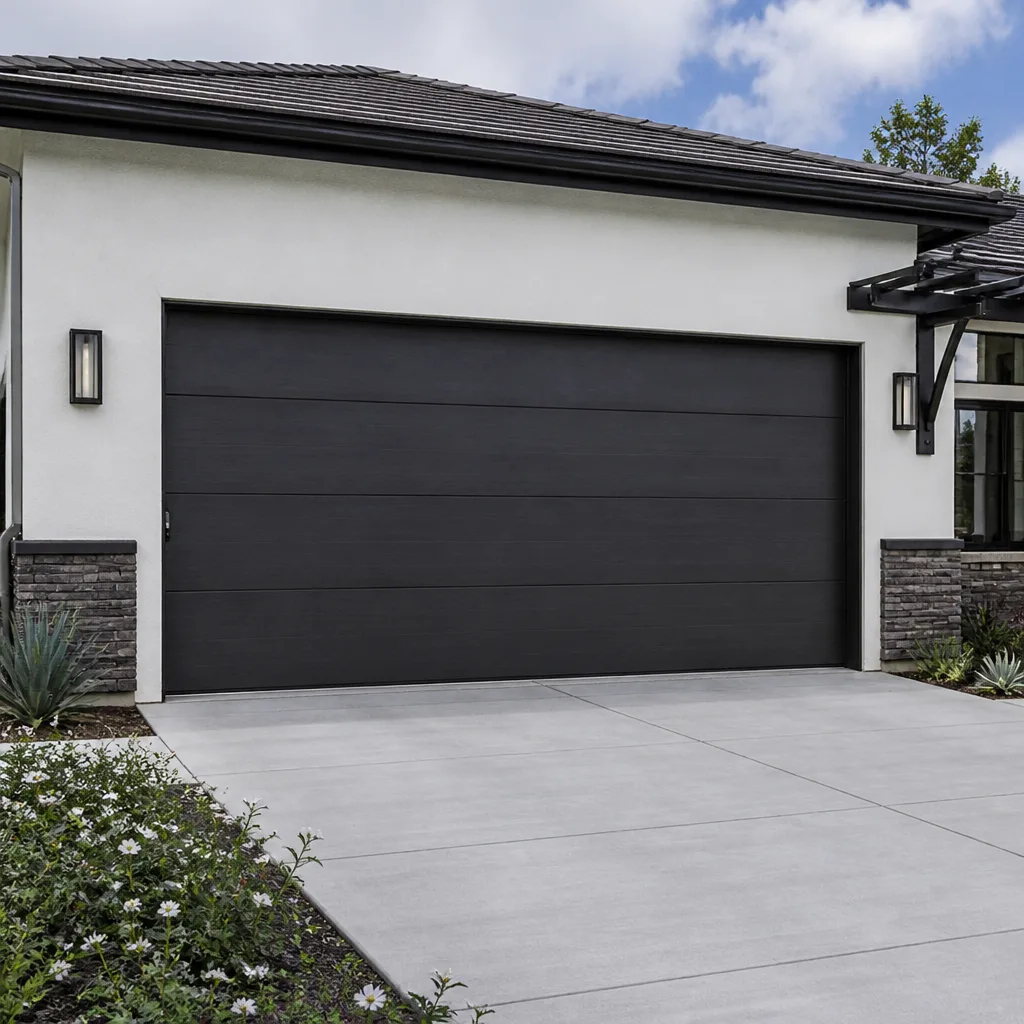 Modern flush
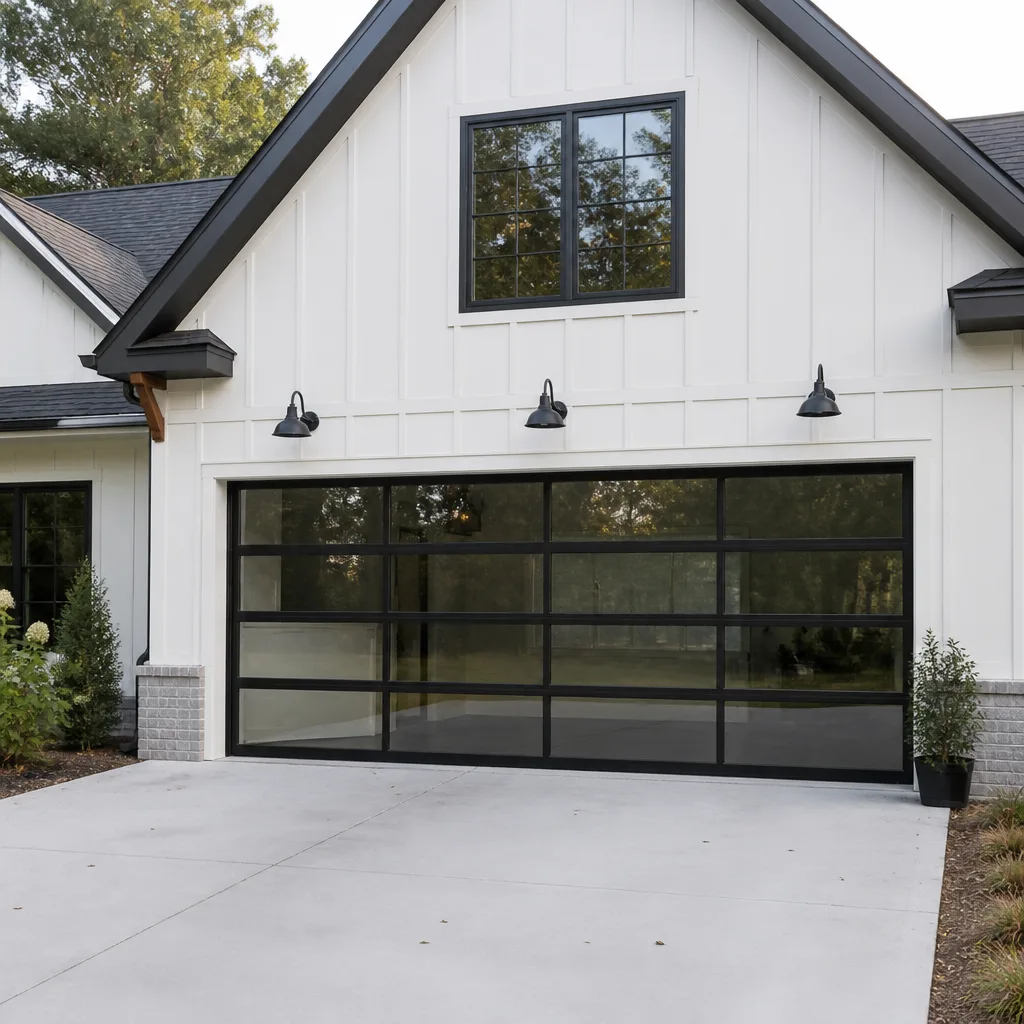 Full-view glass
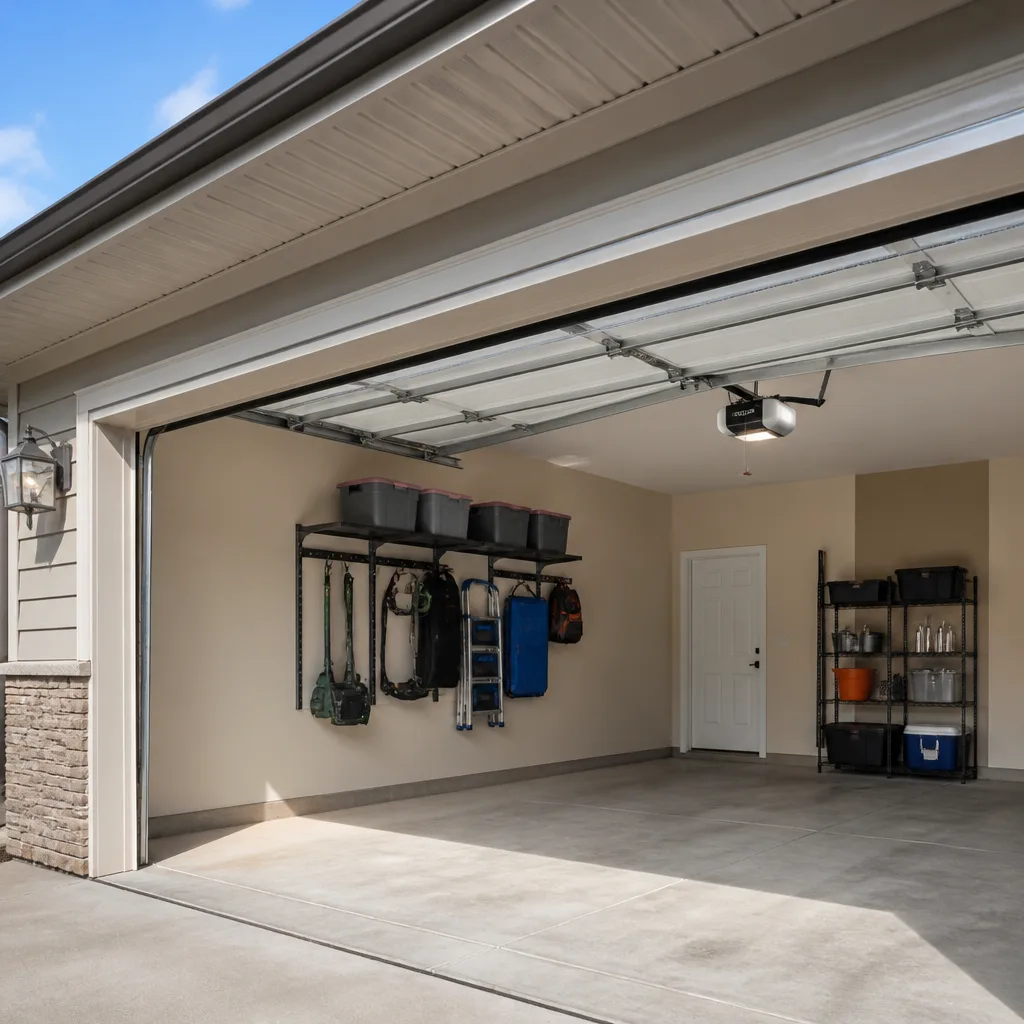 LiftMaster openers
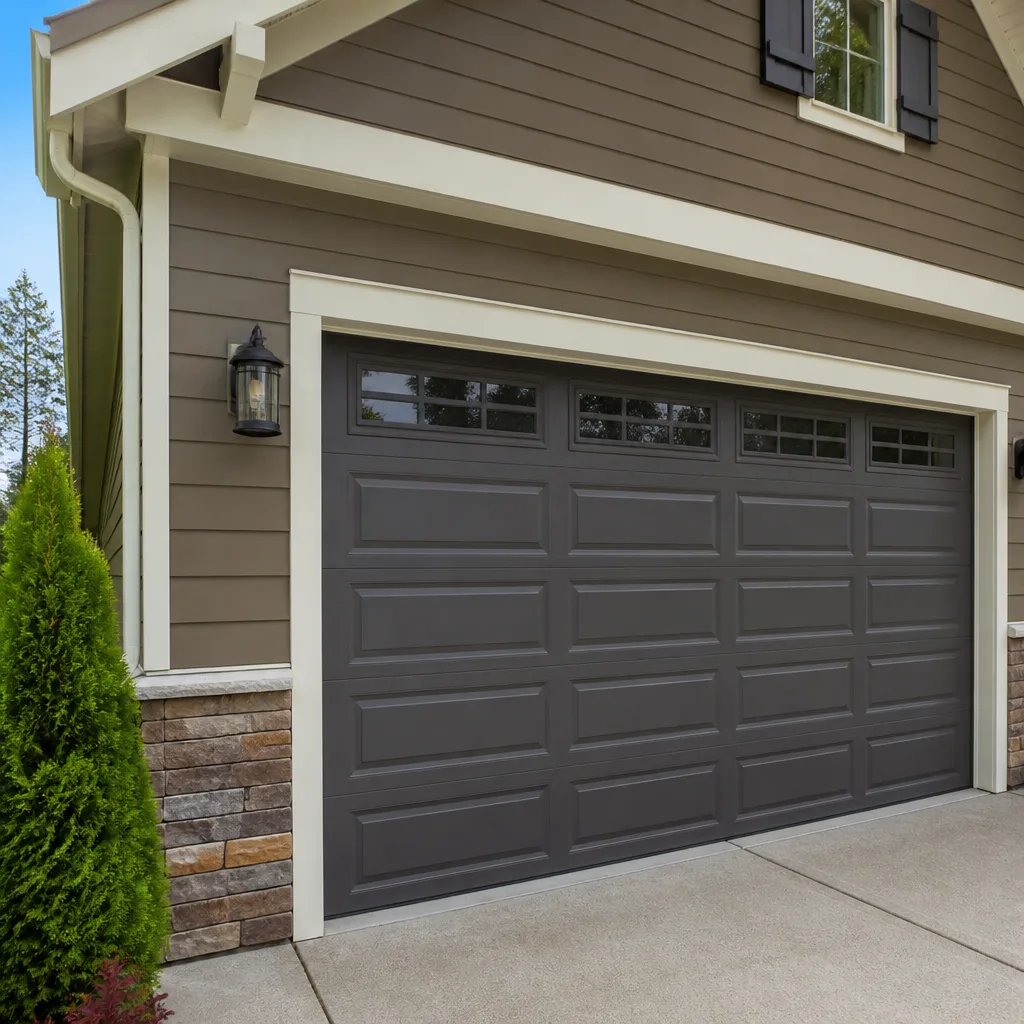 Chamberlain openers
Full 25-point door and opener safety check with every visit - springs, cables, rollers, tracks, and your LiftMaster or Chamberlain opener included
You get a price before we start. It does not change when the pro arrives.
Get your free estimateGarage Door Permits, Codes & Inspections in Mission Bend, TX: What You Need to Know
Here’s the part most homeowners get backwards: the average garage door replacement in Mission Bend needs no permit at all, while a project that looks almost identical from the street can require a building permit, an inspection, and an engineer’s sign-off. The difference comes down to structure, not appearance. If you’re pulling out a standard door and putting back a standard door of similar weight, you’re usually in the clear. If the new door is heavier, if the opening needs reinforcing, or if the wall between the garage and the house changes, you’ve crossed into permitted territory. This guide draws that line clearly so you know where your Mission Bend project falls before you sign a contract.
Quick Answer
In Mission Bend, swapping a garage door for one of similar size and weight is generally considered routine maintenance and doesn’t require a building permit from Fort Bend County or the applicable municipality. A permit is typically triggered when the project involves structural changes: new framing, a modified header, widened openings, or a heavier door that changes the load on the wall. Separately, an HOA architectural review is a private approval process and is never a substitute for a municipal permit. If you’re unsure which side of the line your job falls on, the safest move is a quick call to your city’s building department.
Styles & brands we work with
- Raised-panel steel
- Carriage house
- Modern flush
- Full-view glass
- LiftMaster openers
- Chamberlain openers
Table of Contents
- What Requires a Garage Door Permit in Mission Bend?
- Garage Door Projects That Don’t Usually Need a Permit
- When Structural Work Changes the Rules
- Hurricane-Rated Doors in Texas: Code vs. Marketing
- HOA Approval and Municipal Permits Are Two Different Things
- What a Garage Door Inspection Actually Covers
- Unpermitted Work and Your Insurance After a Claim
- How to Vet a Garage Door Contractor in Mission Bend
What Requires a Garage Door Permit in Mission Bend?
A garage door permit in Mission Bend covers structural work, not the door itself. Fort Bend County and the cities that overlap this area regulate construction through adopted building codes, and those codes are concerned with how a building holds up, not with how a door looks. That means the trigger is almost always a change to the structure around the door: the framing, the overhead header that carries the load above the opening, the tracks that anchor into it, or the size of the opening itself.
The Texas residential code framework most local jurisdictions draw from treats the garage opening as part of the building’s structural and life-safety envelope. A door between the garage and the living space is also a fire-rated assembly, and changes to that wall, including the door in it, can pull in code requirements that a simple panel swap won’t. Our technicians have up to 10 years of experience and have walked through plenty of these questions with homeowners, and the pattern is consistent: structural change means a permit, cosmetic change usually doesn’t.
Three questions cut to the heart of it:
- Is your home in a municipality that issues its own permits, or in unincorporated Fort Bend County? The permitting authority changes depending on exactly where you sit, so confirm which department has jurisdiction over your address.
- Is the new door the same weight class as the old one? A door substantially heavier than the original puts different demands on the header and the spring system, and that can push the job into permit territory.
- Does anything about the opening change? Width, height, framing, or reinforcement all fall on the structural side of the line.
The takeaway is simple: if the job is a same-size replacement with no framing changes, you’re typically free of permit requirements. Anything structural, check with the city before you buy the door.
Garage Door Projects That Don’t Usually Need a Permit
Most of what garage door companies do in Mission Bend doesn’t require a permit. Routine replacement of a standard residential door, opener repair, spring replacement, panel replacement, weatherstripping, track adjustment, and torsion spring work are all firmly in the “no permit” camp. These are maintenance and repair, not construction, and the code framework doesn’t treat them as permit-triggering events.
A few exceptions deserve a mention because they come up often:
- Replacing a door of the same size and weight class is typically maintenance, even when the door is new.
- Upgrading an opener to a newer unit in the same mounting configuration is not a structural change.
- Replacing a single damaged panel on a sectional door is repair, not construction.
- Resealing or re-tensioning a spring system is maintenance, though it should always be handled by a trained professional.
- Adding or upgrading a door operator safety feature is not a permit event, though it’s a very worthwhile call.
Where this gets murky is when a homeowner uses a “replacement” as an upgrade in disguise. A door that’s noticeably heavier than the original, or one requiring new track brackets, new jamb anchors, or a modified spring system, has shifted from repair to construction. That’s the exact scenario where unpermitted work causes trouble later. If your replacement door is the same style and weight as the old one, you’re probably fine. If it’s a step up in mass, treat it as a structural question and ask before you install.
Homeowners planning a full replacement often start by talking through the repair-versus-replace question with a specialist before spending a dollar. We handle garage door repair and replacement with the same team, so you get a straight answer on which side of the permit line your job sits.
When Structural Work Changes the Rules
Structural work is where permits become non-negotiable. The moment a project involves new framing, a modified or replaced header, a widened or raised opening, or reinforcement of the wall above the door, you’re in building code territory. In those cases, a permit is typically required, an inspection is typically part of the process, and the work should be performed by someone who knows how to meet current code.
Why does the header matter so much? The header is the beam that spans the top of the garage opening and carries the load of the wall above it. A standard door puts a predictable load on that beam. A heavier door, or a code-driven upgrade, may require a larger header, and once you’re reinforcing or replacing a header, the job is plainly structural. That’s the specific scenario most likely to surprise a Mission Bend homeowner: a “door upgrade” that quietly becomes a framing project.
The fire-rated boundary between the garage and the living space is the other structural hot spot. In most residential construction, the wall and door separating the garage from the house are a fire-rated assembly because the garage is where vehicles and fuel live. The door between them is a rated component, and changing how it seals, what it’s made of, or how the wall is finished can trigger code review. A knowledgeable installer knows this and will flag it up front rather than at inspection.
If your project involves any of the following, get a building department opinion before work begins:
- Replacing a standard door with a substantially heavier one.
- Changing the width or height of the opening.
- Removing, replacing, or reinforcing the header.
- Reframing around an existing opening.
- Changing or modifying the fire-rated wall or door between the garage and house.
- Adding a new garage opening to a wall that didn’t have one.
The best practice is to ask your city’s building department directly. Most departments can tell you within a short conversation whether a permit is required, and there’s no penalty for asking ahead of time. There is a penalty for finding out after the fact.
Hurricane-Rated Doors in Texas: Code vs. Marketing
“Hurricane-rated” is a phrase that means different things depending on who’s saying it. In Texas, design for wind-borne debris regions is governed by the state’s adopted building code framework, and the requirements scale with wind zone, exposure, and construction type. A manufacturer’s marketing may use the words “hurricane-rated” to describe a door that is impact-resistant, wind-load rated, or both, and those aren’t the same claim. That distinction matters because code compliance and marketing language are not the same thing.
What “hurricane-rated” usually means in the residential market:
- Wind-load rated: the door assembly is tested to withstand a defined design pressure, which is about how much wind force the door holds up under.
- Impact-rated: the door is tested to resist a flying-debris impact, which is about what happens after a piece of the neighborhood hits your door.
- Both: the door meets both design pressure and debris-impact criteria, and should be documented by the manufacturer.
Whether code requires a specific rating for your Mission Bend home depends on your address, your construction type, and which edition of the code your jurisdiction has adopted. Fort Bend County and the municipalities overlapping this area don’t all apply the same requirements the same way, and wind-borne debris requirements are often tied to specific geographic boundaries. This is a genuine “ask the building department” question, because the answer depends on facts about your property that no general guide can know.
Our advice is simple: ask for the manufacturer’s documentation that shows the specific rating, and confirm with the building department that it meets the requirement for your address before the door is ordered. If you’re installing a heavier-rated door, keep in mind that the spring system has to match it. We handle garage door spring repair and setup for the brands already on Mission Bend homes, so the door and its counterbalance are matched as one system.
If your home uses a Clopay, Amarr, Wayne Dalton, or Craftsman door, the rating documentation is generally available from the manufacturer for the specific model. Don’t accept a verbal assurance. Get it in writing.
HOA Approval and Municipal Permits Are Two Different Things
An HOA approval is not a permit, and a permit is not an HOA approval. These are two separate processes administered by two separate authorities, and a project can be fully permitted by the city and still fail at the HOA level, or HOA-approved and still out of compliance with the city. In Mission Bend, where a significant number of homes sit inside community associations, this is the mistake we see most often. Homeowners treat the HOA letter as a rubber stamp and the permit as optional, and both assumptions are wrong.
The municipal side is about safety and building code. The HOA side is about visual consistency and neighborhood appearance: color, panel style, window configuration, sometimes even the texture of the door. An HOA architectural review committee doesn’t care whether your door meets wind-load requirements, and the building department doesn’t care whether your door matches your neighbor’s.
How to keep the two straight:
- Check your HOA’s architectural rules first, because they can rule out a door style before you spend time and money on a permit.
- Submit your HOA architectural request with the manufacturer’s spec sheet and a photograph or rendering of the door.
- Confirm with the building department whether your project requires a permit and, if so, submit the application with your plans.
- Keep both the HOA approval and the permit in your home records alongside the contractor’s written estimate.
- Have the work inspected if an inspection is required, and keep that sign-off with the other paperwork.
We’ve seen Mission Bend jobs where the door was perfect but the color didn’t match the association’s approved list. That’s a very expensive way to learn that HOA approval needs to come first. The counterbalance between the two processes is straightforward; the trick is sequencing, and starting with the private approval rather than the public one.
What a Garage Door Inspection Actually Covers
A garage door inspection is not a single thing. There are three different inspections homeowners confuse, and each has a different purpose, inspector, and outcome. Knowing which one you’re dealing with tells you what to expect and what to keep afterward.
1. Municipal building inspection (permit-driven). This is the building department’s official review after permitted work is completed. The inspector confirms that the work matches the approved plans and meets the adopted code. It’s typically required when the underlying project needed a permit. You should receive documentation of the sign-off, and you should keep it.
2. Private home inspection (home sale-driven). This is the inspection a buyer commissions before closing. The inspector looks at the garage door system, the opener, the safety features, the door-to-house fire separation, and any visible structural changes. This is where unpermitted work shows up, and it’s why permit compliance is a re-sale issue, not just a construction issue.
3. Safety maintenance inspection (service-driven). This is a check of the operating system: springs, cables, rollers, tracks, hinges, and the opener’s safety reversing feature. It’s not a code inspection and it doesn’t certify code compliance. It’s a practical check that the door is safe to operate. A trained technician should handle this.
What a good safety inspection actually checks, in practical terms:
- Spring and cable condition, and correct spring sizing for the door weight.
- Track alignment, mounting bracket condition, and jamb anchors.
- Roller wear, hinge condition, and panel alignment.
- Opener force settings and the safety reversing system.
- The seal and alignment of the fire-rated door between the garage and the house, where applicable.
If your door uses LiftMaster or Genie openers, the safety reversing test is quick and worth doing. Our technicians have up to 10 years of experience with these systems and can spot the difference between a real problem and normal wear. A proper inspection is also the right time to review garage door opener repair needs, since an opener problem often shows up as a door that won’t reverse.
Unpermitted Work and Your Insurance After a Claim
Unpermitted structural garage door work can affect your insurance, but the mechanism is less dramatic than some warnings suggest. Insurers care about whether the structure they’re insuring was built and altered in a code-compliant way. If a claim arises and the adjuster discovers that structural work was done without a permit, the insurer may deny the claim, exclude the affected portion, or require remediation before paying out on the rest. It’s not a guaranteed denial in every case, but it’s a real risk that a homeowner can eliminate by pulling the permit when one is required.
The scenario that plays out most often looks like this: a homeowner replaces a standard door with a heavier one, the installer adds reinforcement to the header without a permit, and the reinforcement is either inadequate or undocumented. Years later, the wall shows movement or a large claim comes in. The adjuster asks for permit records, and there aren’t any. The insurance company then has to decide how to handle work it can’t verify, which is never a position a homeowner wants to be in.
The reverse is also true: a permit and a passed inspection are proof, in writing, that the work was done to code. That’s useful documentation when you sell the home and useful defense when a claim arises. Keep the permit and inspection records with the rest of your home documents, and keep the contractor’s written estimate alongside them.
A practical rule: if the project touches structure, get the permit. If it doesn’t, a written estimate and a manufacturer’s spec sheet are usually enough. Your insurance company is insuring the house as built or improved, and the paperwork is how that gets verified.
Springs and cables are the most dangerous part of the system – not the door. A garage door spring holds enormous stored tension, and a single wrong move can cause serious injury. Our technicians handle this part, and we don’t recommend any homeowner attempt to adjust or remove a spring. That’s a job for a trained professional, and it’s one reason we handle garage door spring repair as an in-house service rather than referring it out.
How to Vet a Garage Door Contractor in Mission Bend
Choosing a contractor is where most of the preventable mistakes happen. Garage door work attracts both focused specialists and generalists looking to add a service, and the difference shows up in how they answer questions and what they put in writing. Our own position is simple: we do garage doors only, which means every conversation, tool, and part is about a single trade.
A short list of questions that separate the specialists from the rest:
- “Will this project require a permit?” A specialist will know where the line is and tell you plainly. A generalist may guess.
- “Is your company licensed and insured as the state requires?” Confirm the local pro is licensed and insured as the state requires.
- “Does the written estimate include the model number of the door and the spring?” A detailed estimate prevents surprises.
- “Will you verify the HOA rules before ordering?” The right answer is yes.
- “Who handles the balance between door weight and spring tension?” A specialist will tell you this is a matched system and shouldn’t be mismatched.
Our technicians work on the brands already on Mission Bend doors: LiftMaster, Chamberlain, Genie, Clopay, Amarr, Wayne Dalton, Craftsman, and Raynor. That means no brand guesswork and no “we’ll have to order the part.” The full arc of the service is handled by the same company: Mission Bend Garage Door Repair Pros covers emergency response, routine repair, opener service, spring replacement, and new installation, so the company that fixes the door today is the same one you’d call for a replacement later.
And the price is quoted and agreed before any work starts. That’s a baseline expectation for any Mission Bend contractor, and if you’re hearing otherwise, you should be talking to a different company.
Common Mistakes to Avoid
- Assuming a permit is never needed because the door is “just cosmetic.” A cosmetic door replacement sits on the no-permit side of the line; the moment structure changes, it doesn’t. Confusing a door swap with an upgrade is the most common misjudgment we see in Mission Bend.
- Getting HOA approval before checking the building department, or vice versa. Both processes usually need to run, and starting them out of order costs time and money. An HOA-approved door that needs a permit is still incomplete.
- Treating “hurricane-rated” as a legal term without checking the documentation. Marketing language and code requirements aren’t always the same thing. Ask for the manufacturer’s spec sheet and confirm with the building department.
- Mismatching door weight and spring tension. A heavier door on springs sized for the old door produces early failure, and the resulting imbalance can be dangerous. It’s a matched system, so match it.
- Doing structural work without keeping the paperwork. A permit and inspection give you written proof of code compliance, and that proof is worth having at resale and at claim time. Keep it in your home file.
- Letting a generalist handyman do a job that needs a specialist. Garage doors are their own trade. A contractor who does “everything” may not know the permit threshold, the HOA rules, or the fire-rated door requirements as they apply in Mission Bend.
- Skipping the written estimate. Any Mission Bend contractor should quote the price in writing and agree to it before work begins. A verbal number is not a price.
See the difference
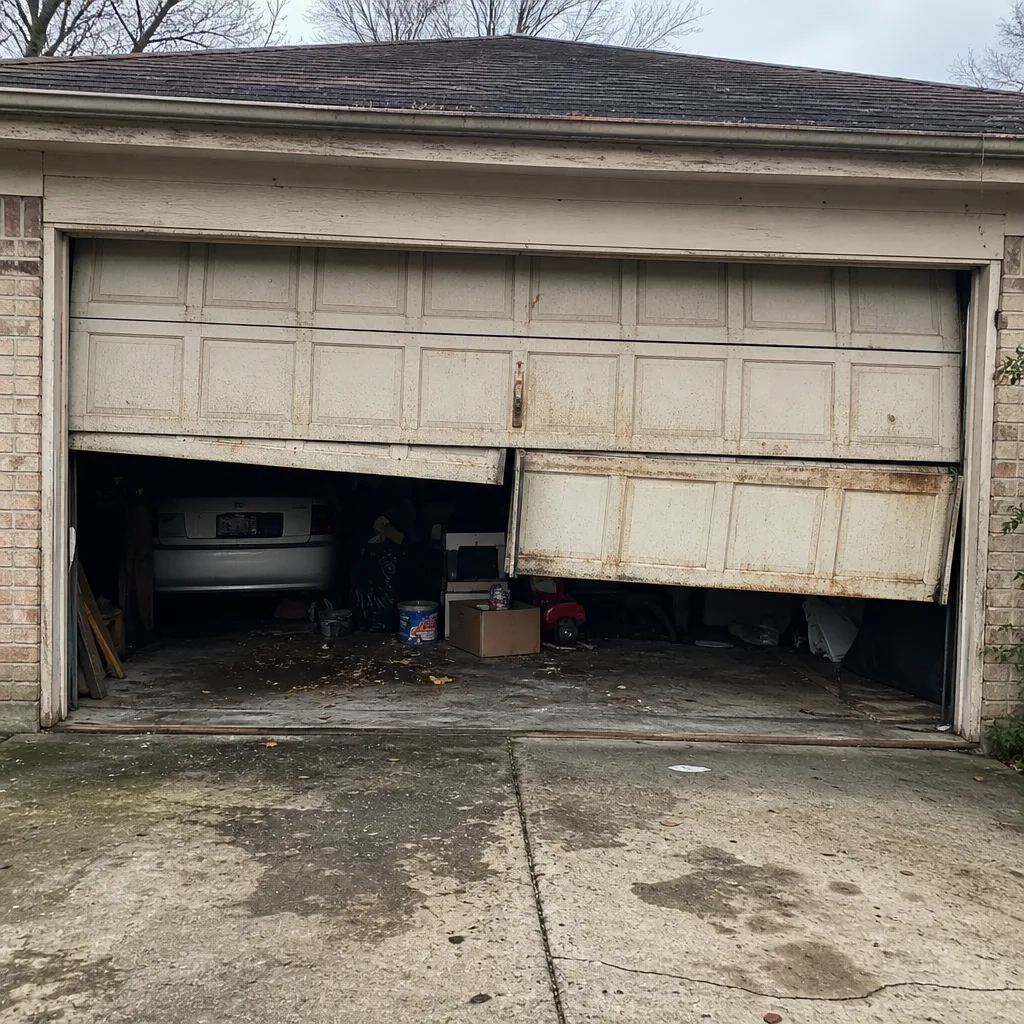 Before
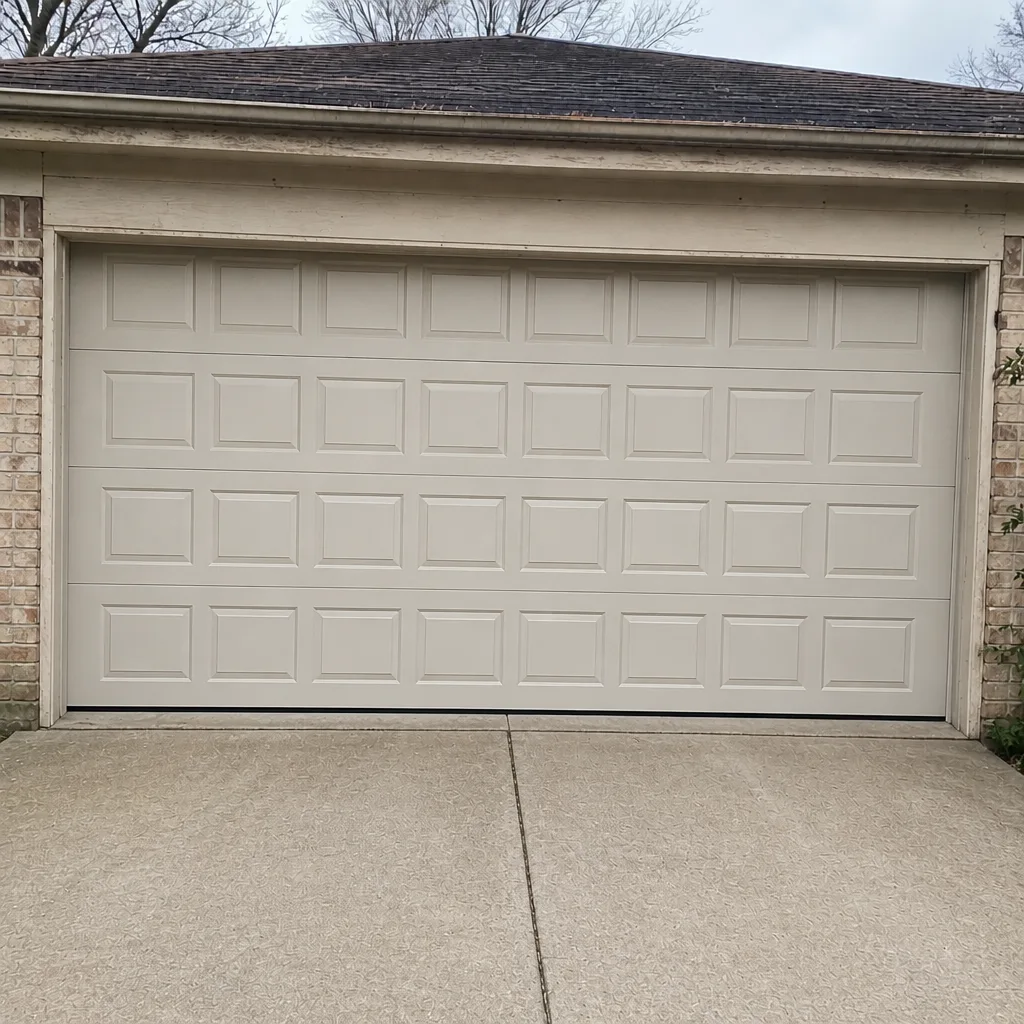 After
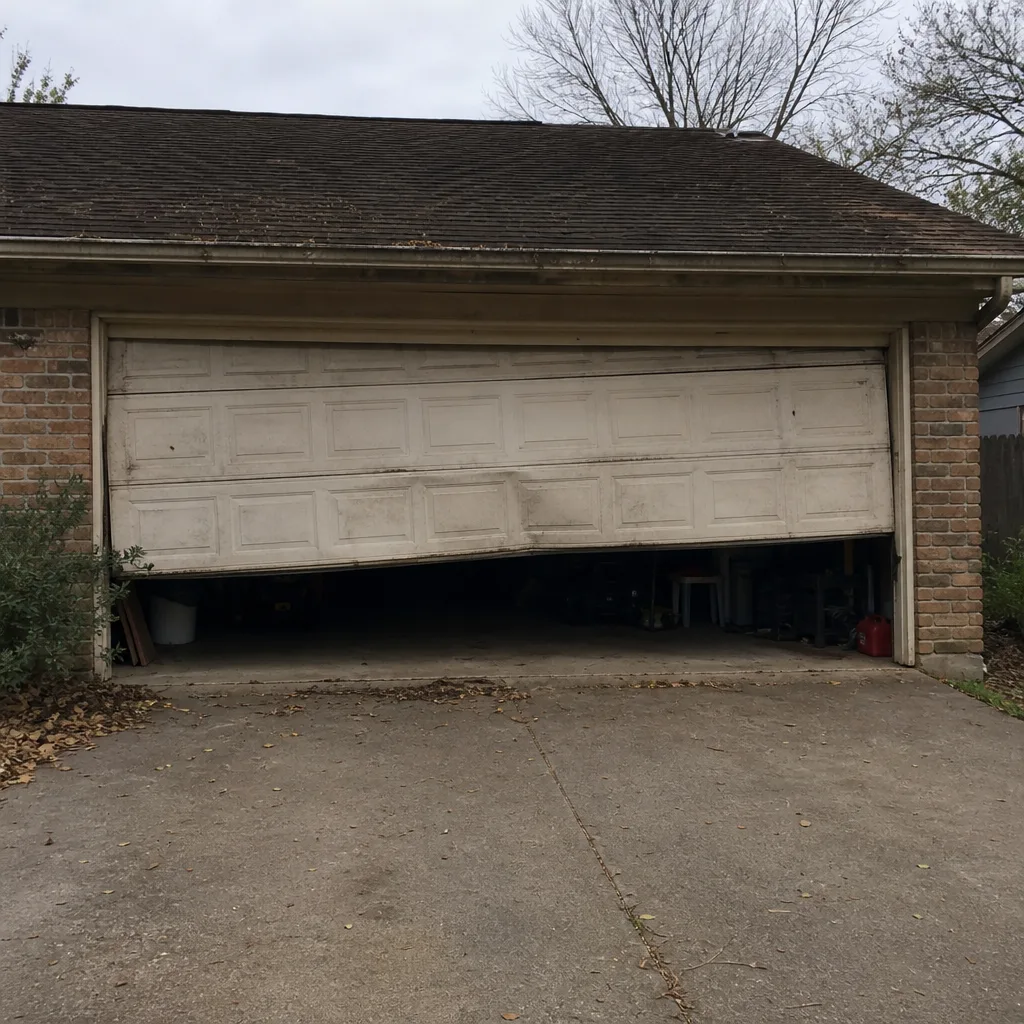 Before
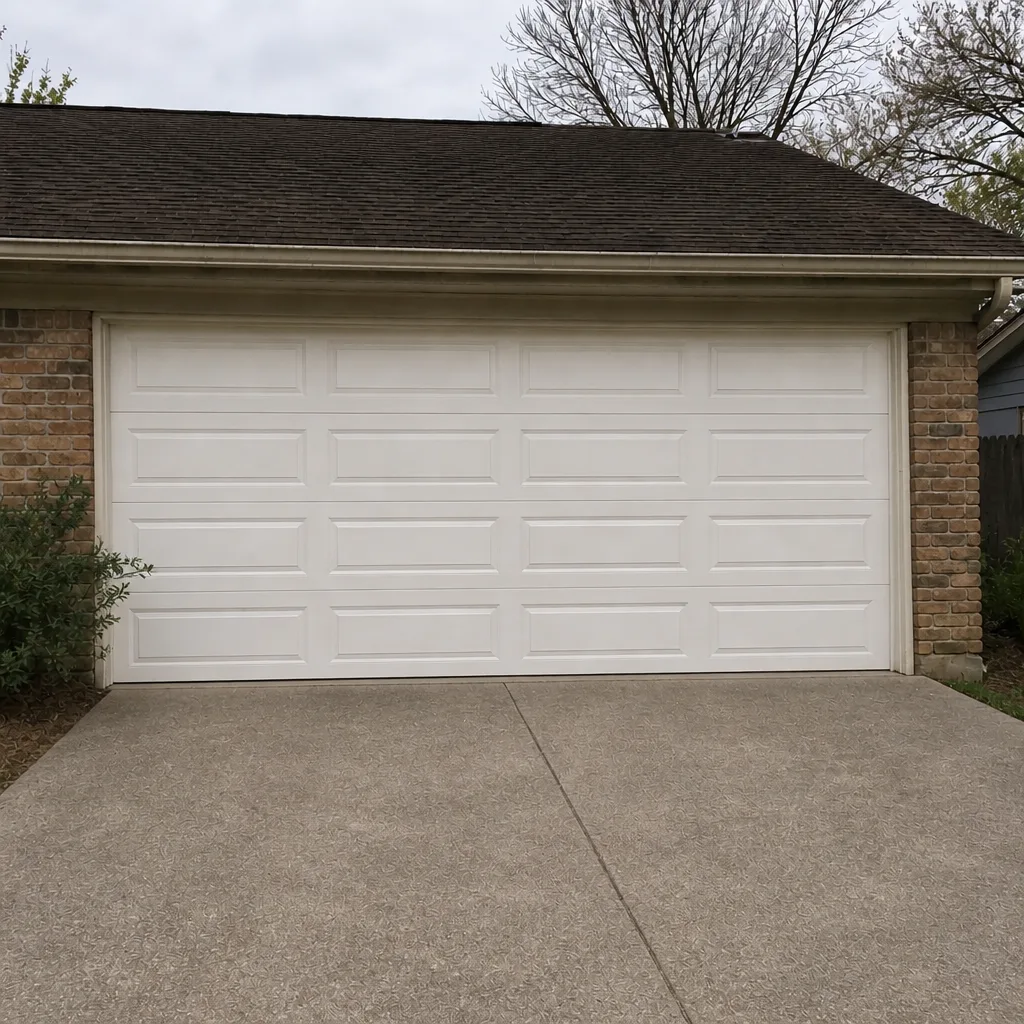 After
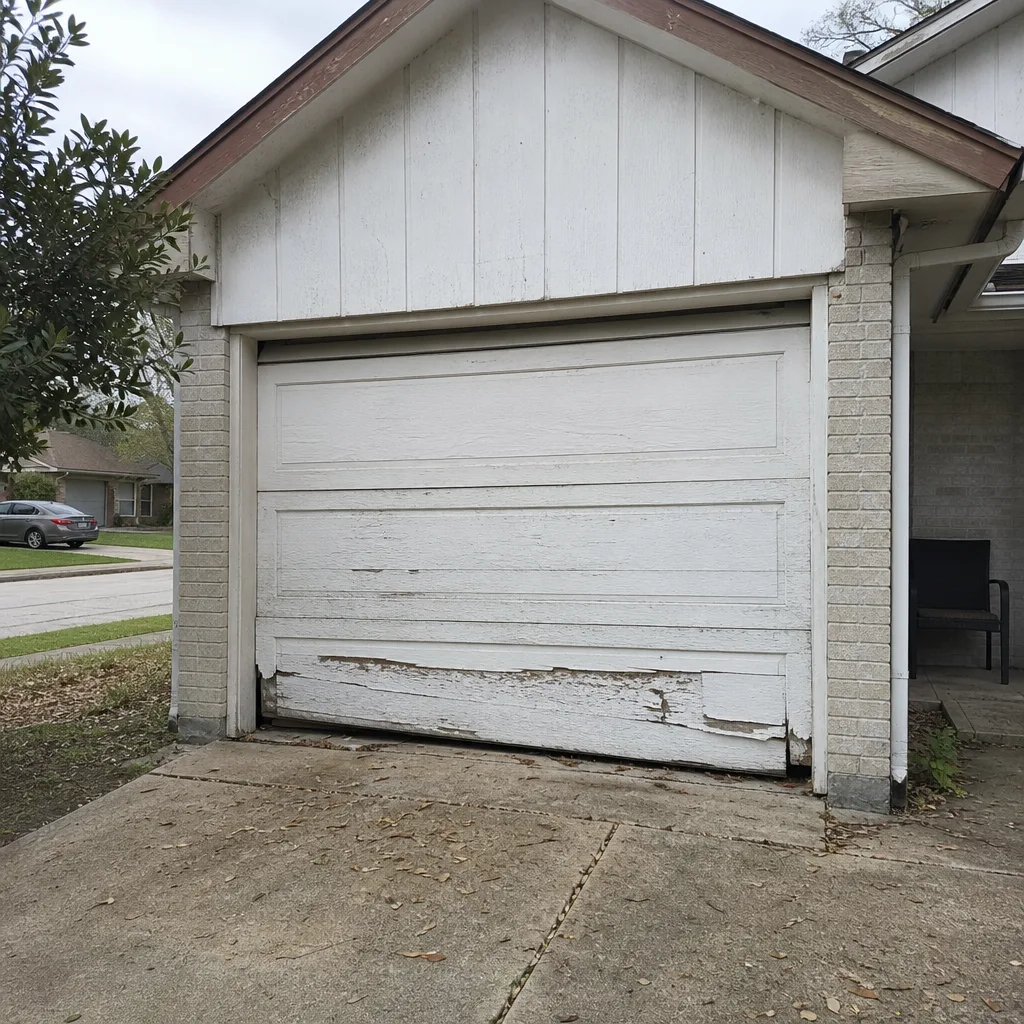 Before
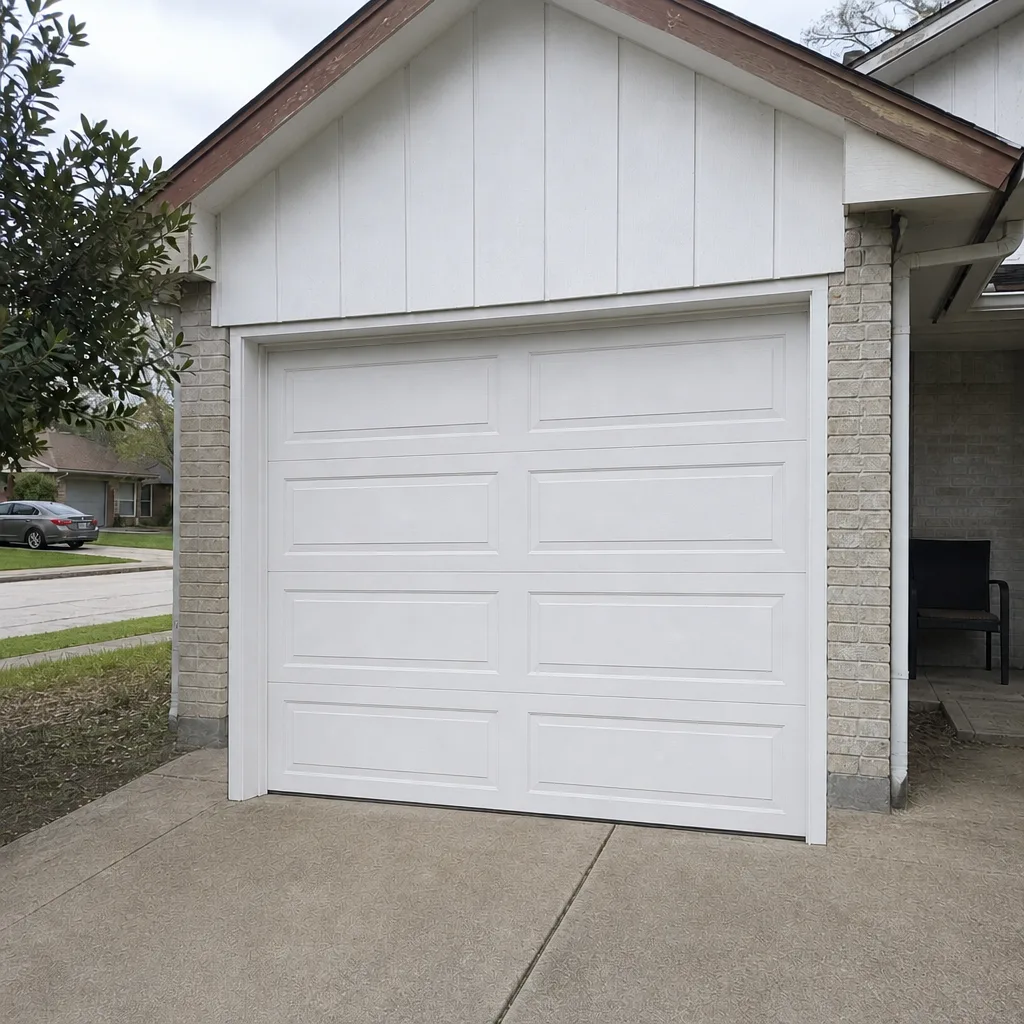 After
When to Call a Professional
Some situations clearly belong in a professional’s hands. A garage door that won’t open or close, an opener that runs but doesn’t lift, a spring that has visibly broken, a door that jumped its track, or a door that closes unevenly all call for a trained technician. Structural questions and permit questions also belong with a professional and with the building department, not with a weekend guess. Any project that changes the weight of the door, reframes the opening, or touches the fire-rated wall should start with a specialist.
Mission Bend Garage Door Repair Pros offers free estimates in Mission Bend – call (855) 658-5076. We work on every major system already installed on Mission Bend homes, and our technicians have up to 10 years of experience. We answer 24/7. Fast dispatch from 7am to 7pm, Sunday through Friday, for the jobs that can’t wait.
Frequently Asked Questions
Usually not, if the replacement door is the same size and weight class and no structural changes are made. A permit is typically required when the project involves new framing, a modified header, a widened opening, or a substantially heavier door. Confirm with your city’s building department before the project begins, because the answer depends on the specific work, not just the door. Call (855) 658-5076 for an exact quote on the door work – estimates are free.
Garage door replacement typically runs in the range of $800 to $2,500 for a standard single-car door with a standard opener, and more for larger or heavier doors and for premium models. Installation, hardware, and haul-away of the old door are usually included in the written quote. Any change to the structural opening is priced separately. Call (855) 658-5076 for an exact quote – estimates are free.
No. An HOA approval is a private architectural review run by the association, and a building permit is a public code-compliance review run by the city or county. A project typically needs both when both apply, and one does not substitute for the other. In Mission Bend, you should check your HOA rules first because they can rule out a door style, then confirm the permit requirement with the building department.
“Hurricane-rated” describes testing for wind load, impact resistance, or both, and the term is often used loosely in marketing. Whether your Mission Bend home is required to have a rated door depends on your address, construction type, and which edition of the code applies, so ask the building department for the specific requirement. Always request the manufacturer’s documentation for the exact rating, and get it in writing.
It can. If an insurer discovers structural work on the garage door system that was done without a permit, it may deny the claim, exclude the affected portion, or require remediation before paying for the rest. The risk is avoidable by pulling the permit when one is required and keeping the records. A permit and a passed inspection are written proof the work complied with code.
Call a garage door specialist, not a general handyman. Mission Bend Garage Door Repair Pros works on every major brand already on Mission Bend doors, and spring and opener work should always go to a trained technician because the spring system holds stored tension and can injure someone who handles it incorrectly. Call (855) 658-5076 for same-day repair. We answer 24/7. Fast dispatch from 7am to 7pm, Sunday through Friday. A call outside dispatch hours is booked into the next opening, Sunday through Friday, 7am to 7pm.
The Bottom Line
The permit question in Mission Bend comes down to one distinction: cosmetic replacement usually doesn’t need a permit, and structural change usually does. Replacing a standard door with a standard door is routine maintenance. Upgrading to a heavier door, reframing the opening, or changing the fire-rated boundary is construction, and it needs a permit, an inspection, and a written record. HOA approval and municipal permits are separate processes that usually both apply, and neither substitutes for the other. “Hurricane-rated” needs manufacturer documentation, not a verbal assurance. And unpermitted structural work can affect an insurance claim, which is why keeping the paperwork matters. When in doubt, ask the building department before the door is ordered, and get the written estimate before work starts.
If you’re planning a Mission Bend garage door project and want a straight answer on the repair-versus-replace question, call Mission Bend Garage Door Repair Pros at (855) 658-5076 for a free estimate. We answer 24/7. Fast dispatch from 7am to 7pm, Sunday through Friday. Same-visit diagnosis and repair, spring work handled in-house, and a written price agreed before any work begins.
Written by the team at Mission Bend Garage Door Repair Pros.