
Last updated November 22, 2026
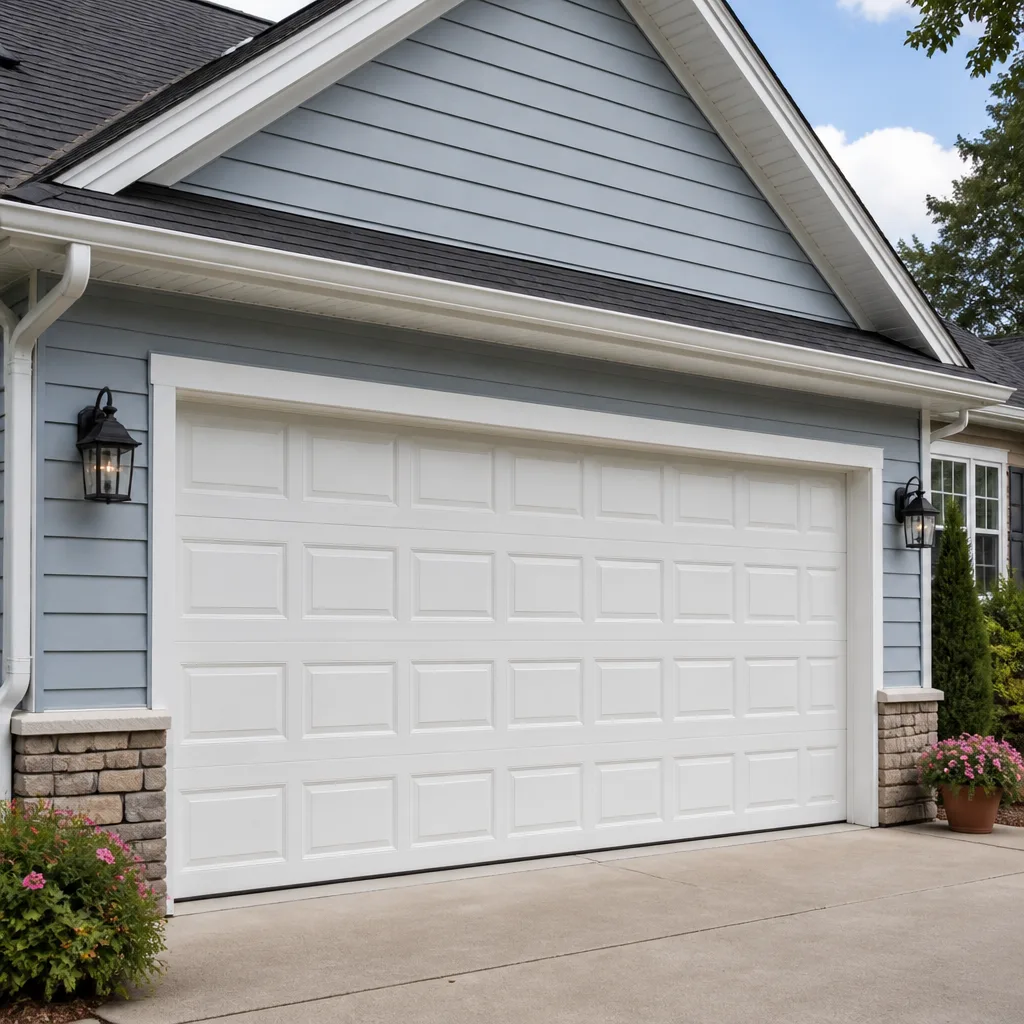 Raised-panel steel
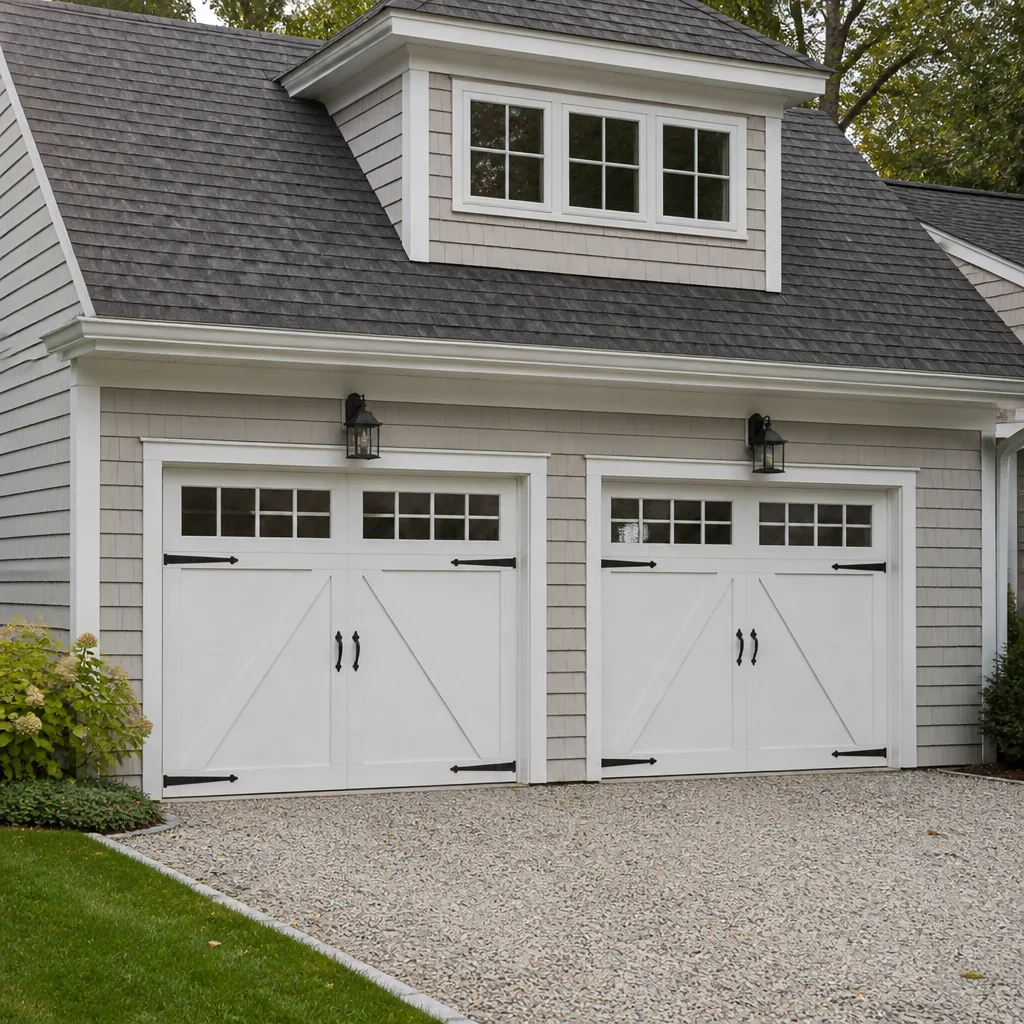 Carriage house
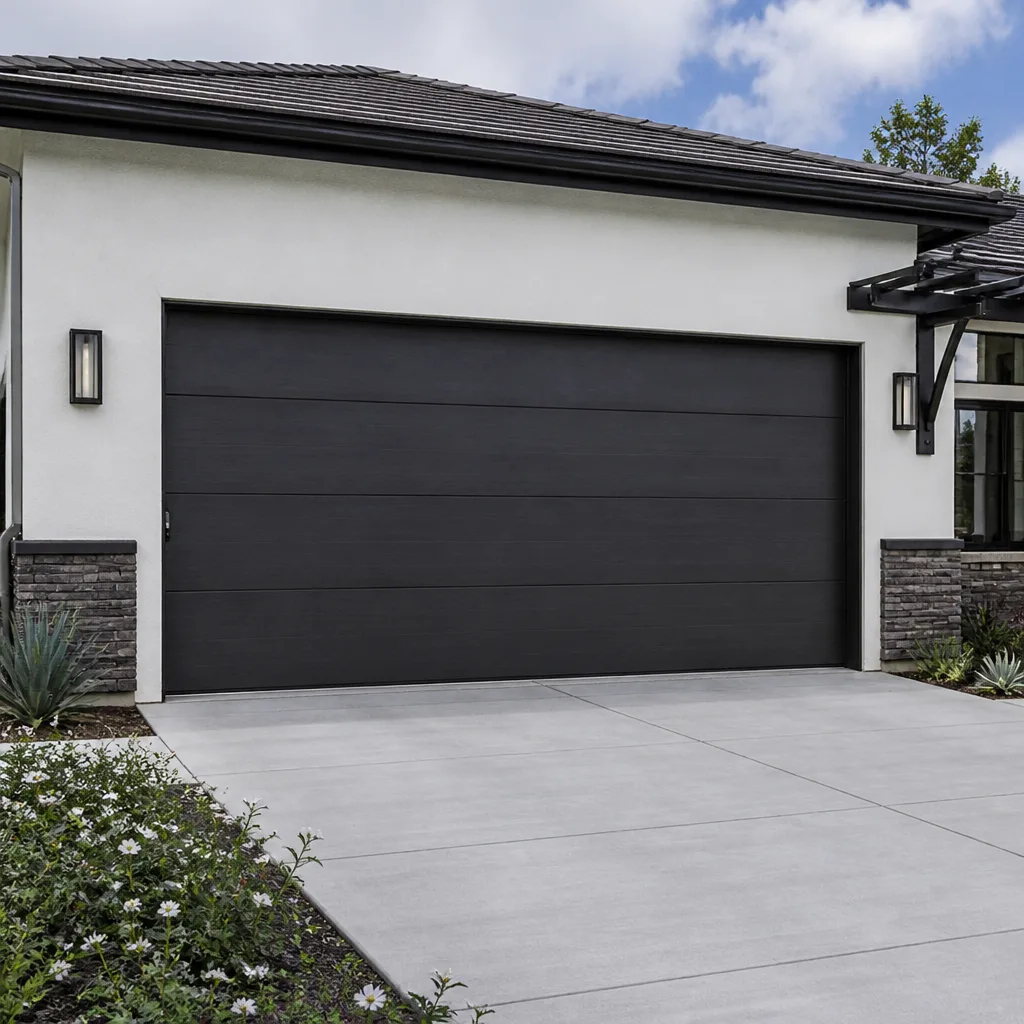 Modern flush
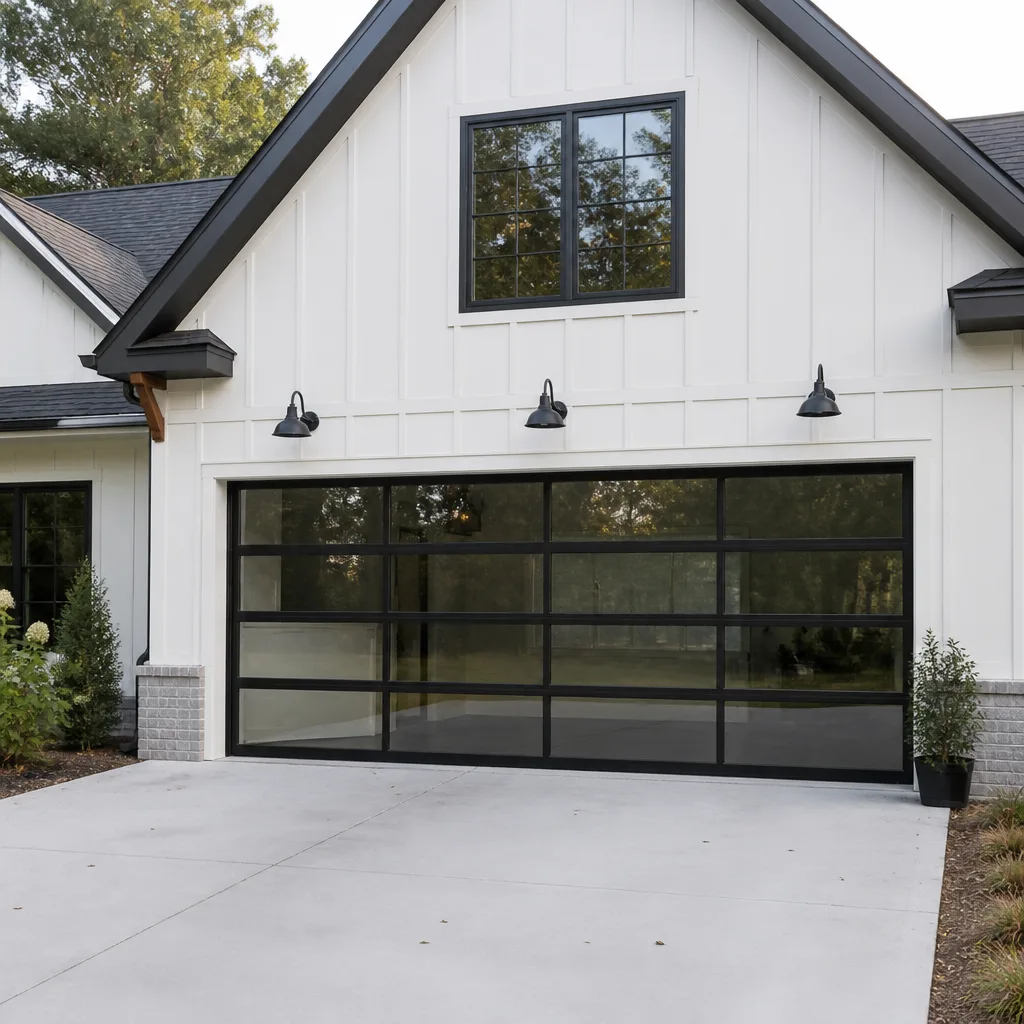 Full-view glass
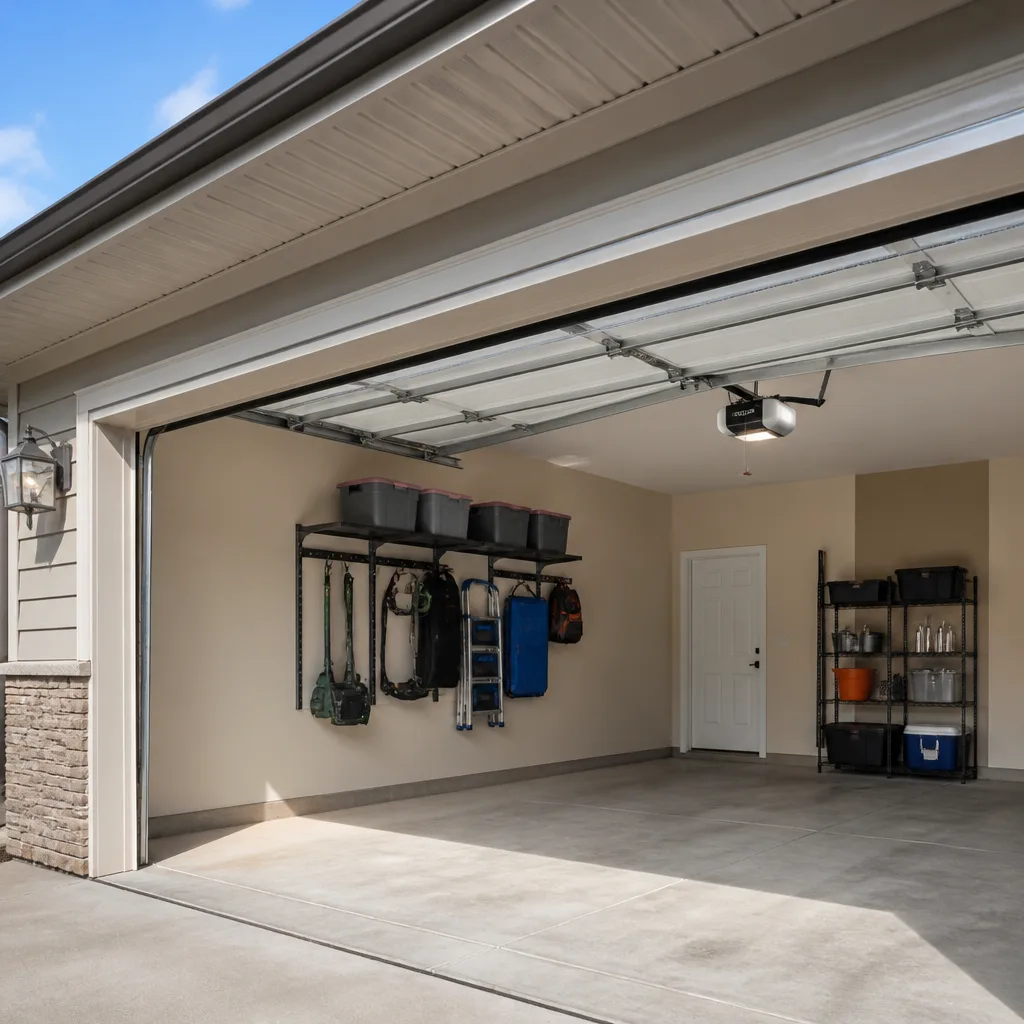 LiftMaster openers
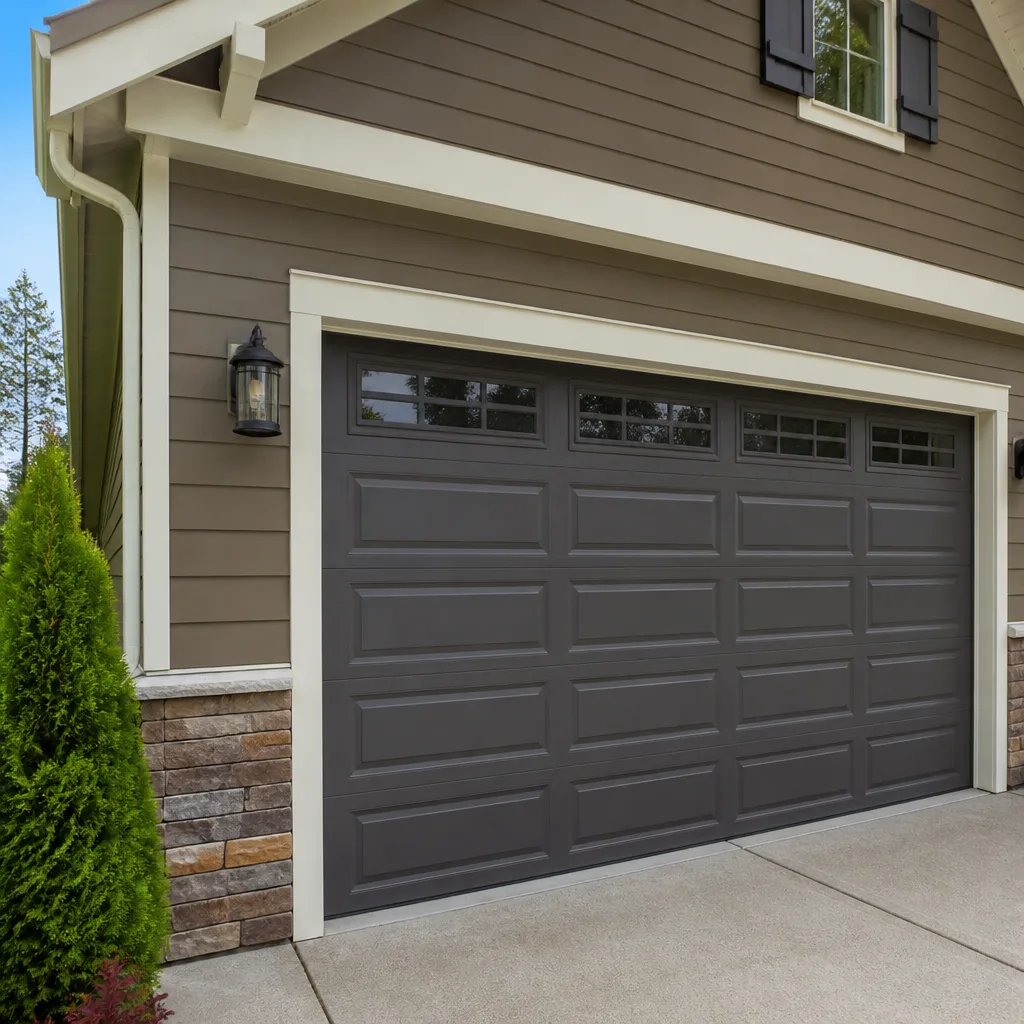 Chamberlain openers
Full 25-point door and opener safety check with every visit - springs, cables, rollers, tracks, and your LiftMaster or Chamberlain opener included
You get a price before we start. It does not change when the pro arrives.
Get your free estimateHow to Hire a Garage Door Contractor in Mission Bend: A Step-by-Step Guide
Three of the most common garage door warranty voids we see in Mission Bend involve work done by general handymen who didn’t know the spring sizing formula for door weight. That calculation is not optional. Every dedicated garage door technician does it by default, because the wrong spring on a 180-pound door isn’t a small error; it’s a mechanism that chews through openers, cables, and rollers until the whole system gives out. The mistake almost always starts before the toolbox opens: it starts with who the homeowner called. This guide walks through exactly how to tell a true specialist from a generalist who “also does garage doors,” how to read a quote line by line, what credentials actually matter in Texas, and which red flags show up over and over in the Mission Bend market.
Quick Answer
To hire a garage door contractor in Mission Bend, verify that garage doors are their only trade, confirm they carry liability insurance and offer a written estimate before any work begins, and ask whether they service the brand already on your door. Then read the quote line by line: parts priced separately, labor described, and both a parts warranty and a labor warranty in writing. A specialist who passes those checks will diagnose and repair on the same visit instead of referring your spring job out.
Styles & brands we work with
- Raised-panel steel
- Carriage house
- Modern flush
- Full-view glass
- LiftMaster openers
- Chamberlain openers
Table of Contents
- Why Trade Focus Matters More Than Price
- The Five Questions That Reveal a True Specialist
- What Credentials Actually Matter for Garage Door Work
- How to Read a Repair Quote Line by Line
- Parts Warranty vs. Labor Warranty: Get Both in Writing
- Red Flags Specific to the Mission Bend Market
- The Hiring Process, Step by Step
- Safety: The Jobs You Should Never Let Anyone Improvise
Why Trade Focus Matters More Than Price
The instinct to call the cheapest number in the search results is understandable. Garage door work looks simple from the driveway: a door goes up, it comes down, a spring snaps, somebody fixes it. What the price tag doesn’t show is whether the person fixing it knows the difference between a torsion spring sized for 210 pounds of door weight and one sized for 140. That difference is invisible until the opener burns out three months later, and by then the first contractor is gone.
Hiring a multi-trade handyman for a single-trade job is the classic way to pay twice. The first repair runs cheap. The second repair, done by an actual garage door specialist cleaning up the first one, costs more than both would have together. We’ve watched this pattern play out across Mission Bend neighborhoods like Mission Bend itself, along FM 1464, and through the surrounding subdivisions, and it rarely ends with the homeowner saving money.
A garage door specialist isn’t just someone who has done the work before. It’s someone whose tools, parts inventory, and ongoing training are aimed at one category. When a technician works exclusively on garage door repair, they recognize a failing cable from the sound it makes on the way up. They know which opener brands pair cleanly with which door weights. They carry the right spring, not an approximate one.
That single-trade focus cuts both ways. You get more accurate diagnosis and fewer return visits, but you also get a contractor who will refuse to do your siding while they’re there. That’s the point. The garage door is a mechanical system with tension, counterbalance, and electrical components that fail in specific ways. A generalist who learned garage doors from a weekend course will guess. A specialist will measure.
The Five Questions That Reveal a True Specialist
You don’t need to interrogate a contractor for an hour. Five questions, asked in the first two minutes of the call, will separate the garage door specialists from the multi-trade generalists with a garage door page on their website.
1. “What brands do you service?”
A specialist names specific brands without hesitation. Common answers should include LiftMaster, Chamberlain, Genie, Clopay, Amarr, Wayne Dalton, Craftsman, and Raynor. If the answer is “all of them,” ask a follow-up: “Which ones do you diagnose most often?” A real specialist has opinions about this. A generalist will say “they’re all about the same,” which is a clear tell.
2. “Do you do spring work in-house or refer it out?”
Spring replacement is the highest-tension, highest-risk job in garage door work. A specialist handles it directly. A generalist often says “we’d need to bring in someone for that,” which is your cue to hire the someone directly.
3. “What’s your process for sizing a replacement spring?”
This is the question that separates the pros. The correct answer references door weight, track height, drum size, and cycle life rating. If you hear “we just match the old one,” hang up. Springs are sized by measurement and calculation, not by matching a broken piece of steel.
4. “What does your written estimate include?”
You want to hear: parts listed separately, labor described, and a warranty stated in writing. Not “we’ll give you a ballpark and go from there.”
5. “Are you insured, and can you show proof?”
Liability insurance protects your property. A specialist confirms coverage without hesitation and sends proof of insurance on request. A generalist operating without it will stall.
What Credentials Actually Matter for Garage Door Work
Most homeowners assume they should ask for a “Texas-licensed contractor” and stop there. That instinct is sensible for roofing, plumbing, or electrical work, where the state issues specific licenses for specific trades. Garage door installation and repair doesn’t sit under one of those Texas trade-license categories the way those trades do. A homeowner who only checks for a state trade license may end up hiring whoever has the right paperwork rather than whoever actually knows the mechanism.
What matters instead is a short list of verifiable credentials:
- Liability insurance – ask for proof in writing. This covers damage to your door, tracks, or property during the work.
- Workers’ compensation coverage – ask if you’re hiring a company, not an individual. If a technician is hurt on your property, this is the difference between a workers’ comp claim and a claim against you.
- Manufacturer training or certification – brands like Clopay and LiftMaster publish certification programs for technicians. A specialist often has current credentials; a generalist usually has none.
- Written warranty terms – parts and labor, both spelled out on the estimate before the work begins.
- A verifiable local presence – service area, reviews with real addresses, and a working local phone number.
Ask for each of these in the same call. A genuine specialist has them ready. A generalist will promise to send them later and then not send them. If the paperwork doesn’t show up before the appointment, cancel the appointment.
How to Read a Repair Quote Line by Line
Here’s the moment where most Mission Bend homeowners lose money without noticing: the quote arrives as a single line item. “Garage door repair – $XXX.” That’s the shape of a quote designed to hide part markups inside bundled labor, and it makes it impossible to compare one contractor’s estimate to another’s.
A clear quote has these separate line items:
- Diagnostic or assessment – what the technician found, stated plainly.
- Parts, itemized – each part named, with brand and quantity. Springs, cables, rollers, hinges, and opener components should each have their own line.
- Labor – hours or job rate, described as a discrete category rather than buried in “repair.”
- Warranty terms – what’s covered, for how long, and whether it’s parts, labor, or both.
- Total, with the price locked before work starts – the final number should not change after the technician gets on site unless you approve a written revision.
What vague labor bundling looks like
Vague bundling usually shows up one of two ways. The first is a single line that reads “labor and materials” with no breakdown. The second is a low headline number followed by add-ons once the technician is on site, like “the spring hardware was extra” or “we had to charge for disposal.” Both are avoidable if you ask for the estimate in writing before scheduling.
When the quote is clear, comparison is easy. When two specialists give you separate line items, you can compare the spring price, the labor rate, and the warranty side by side. When one quote is a bundle and the other is itemized, the bundle almost always costs more than it appears to.
Parts Warranty vs. Labor Warranty: Get Both in Writing
A warranty that covers parts but not labor means you’ll pay for the second visit when the part fails. A warranty that covers labor but not parts means you’ll pay for the replacement spring when the spring gives out. You want both, and you want them in writing before the technician picks up a single tool.
Here’s how to ask for it:
- Ask the parts warranty period in writing. “The spring is covered for X months” or “the opener motor is covered for X years” should be on the estimate, not just on a manufacturer’s website you have to look up later.
- Ask the labor warranty period in writing. How long is the workmanship guaranteed? If the door is misaligned after the repair, does someone come back at no charge?
- Ask what voids the warranty. Common warranty voids include work by a non-certified technician on the same assembly, homeowner adjustment of spring tension, and damage from impact. Having this list in front of you before work starts means no surprises later.
- Ask if the warranty transfers. If you sell the home, does the warranty follow the door? Not all do.
A specialist who services brands like Chamberlain, Genie, or Clopay is often working within the manufacturer’s warranty terms on those parts. That’s an advantage: they’re not improvising around warranty conditions, because they already know what the manufacturer expects.
Red Flags Specific to the Mission Bend Market
Some red flags are universal: no written estimate, no insurance, no local number. Others show up more in this specific market, and those are worth naming.
Out-of-area companies with no local inventory. Houston-area contractors who list Mission Bend as part of a sprawling service area often can’t carry the parts a specialist would for a single neighborhood. The result is a two-visit job: diagnose today, return with parts next week. That’s fine for a planned install. It’s not fine for a door that won’t close.
No same-day availability for repair calls. A specialist keeps enough inventory to handle common failures without a second trip. A generalist running a pipeline of two hundred other jobs can’t commit to a same-day repair appointment, and in a home where the garage is the primary entry point, that matters.
“We do garage doors and everything else.” A multi-trade contractor’s trucks are stocked for twelve categories. Their technicians are trained across all twelve. The garage door work isn’t their specialty; it’s their filler. You want the contractor whose entire business is the door.
No brand familiarity on the phone. If a Mission Bend homeowner asks about a Wayne Dalton door and the person on the other end has to look it up, that’s not a specialist. It’s someone with a garage door phone script.
Proposals delivered as a spoken number, never a document. If the only estimate you get is verbal, you have no comparison tool and no record of what was promised. A written estimate is the baseline, not a bonus.
Pressure to decide on the spot. A specialist gives you the estimate and lets you think about it. A generalist working with a limited calendar pressures a decision so the job doesn’t slip to tomorrow. The pressure is about their schedule, not your door.
The Hiring Process, Step by Step
Here’s the sequence we recommend when a Mission Bend homeowner is deciding who to hire. It works whether the call is for a broken spring, a malfunctioning opener, or a full door replacement.
- Identify what’s actually broken. Does the door not move at all? Is it moving slowly or unevenly? Is the opener running but the door not following? Naming the symptom helps the contractor diagnose on the first call, and it helps you spot when a contractor’s quote doesn’t fit the problem.
- Call two or three contractors. Ask the five questions above, in order, and note their answers. If two contractors name the same brand on your door and the third asks “which brand is that,” you’ve already learned something.
- Request a written estimate. Line items, labor, parts, warranty. If a contractor won’t put it in writing before the visit, move on.
- Confirm insurance and warranty terms. Ask for proof of liability coverage and the warranty document before scheduling the work itself.
- Compare the line items, not the totals. Two quotes with different totals often reflect different parts. A quote with a lower total but a smaller spring and a shorter warranty may cost more over the first year than one with a properly sized spring and a full warranty.
- Ask how the work will be done. Will they measure door weight for the spring? Will they adjust the opener force limits after a repair? A specialist explains the process in a sentence or two without prompting.
- Confirm the price is locked before work starts. The written estimate is the price. If the technician discovers something on-site, they should stop and revise the estimate with you, not add the extra to the final bill.
That seventh step matters more than most homeowners realize. The right answer to “will the price change once you’re here?” is: the estimate is set before work begins, and if a hidden issue comes up, the contractor writes a revised estimate for your approval. If that sounds like too much process, ask yourself what the alternative is. The alternative is a number you hear at the end.
Safety: The Jobs You Should Never Let Anyone Improvise
Two categories of garage door work carry real physical danger, and neither is a DIY job even for a confident homeowner. The first is springs and cables. A torsion spring under load stores enough energy to break a bone or worse if it’s released without the right equipment and knowledge. The second is the electrical side of the opener and the wall-mounted control wiring. Both should be handled by a trained professional with the correct tools.
This is the strongest argument for hiring a specialist. A generalist working outside their training on a spring or an electrical connection isn’t just less accurate; they’re more likely to be hurt. A garage door specialist works on these mechanisms every day and has the tooling and the release procedure already in muscle memory. They also know which part numbers to order so the door comes back into balance the first time, not the third.
If the door isn’t moving at all, or if you see a visibly broken spring, a frayed cable, or a door hanging off its track, don’t run the opener to “test” it. Call for help. Springs, openers, panels, and full doors are all within the scope of a garage door specialist; none of them should be within the scope of a generalist who happens to have a ladder.
For spring work specifically, ask directly whether the contractor handles this in-house. When a Mission Bend homeowner calls us for garage door spring repair, we do the work ourselves. We don’t refer it out, because referring out is how a two-hour job becomes a two-week job with a phone call in the middle about coordinating schedules.
Common Mistakes to Avoid
- Hiring the lowest bid without reading it. A single bunded number tells you nothing about which part is being installed. Ask for itemization before you compare prices, especially on spring jobs where a smaller part can look identical to a properly sized one from the driveway.
- Skipping the brand question. If the contractor can’t name the brand already on your door, they’ll be guessing at parts. Mission Bend has a wide mix of Clopay, LiftMaster, and other major brands, and a specialist recognizes them by model and serial number.
- Letting the work start without a written estimate. Verbal promises are unenforceable. A written estimate with a locked price and warranty terms is the only version of the promise that survives.
- Assuming a state trade license covers garage doors. Texas doesn’t issue a garage-door-specific trade license the way it does for plumbing or electrical. Insurance, warranty, and brand training matter more than a license number that doesn’t apply to this work.
- Failing to ask about warranty transfer. If you plan to sell, a warranty that transfers with the home is worth more than one that doesn’t. Ask before the work starts, not after.
- Calling a generalist for a spring replacement. This is the highest-tension job in the trade and the most common source of second repairs. Pay for a specialist up front and skip the cleanup visit.
- Choosing a contractor who has no same-day repair availability. A door that won’t close leaves the home unsecured. A contractor who can’t promise a repair appointment in the same day is telling you something about their parts inventory and their scheduling.
See the difference
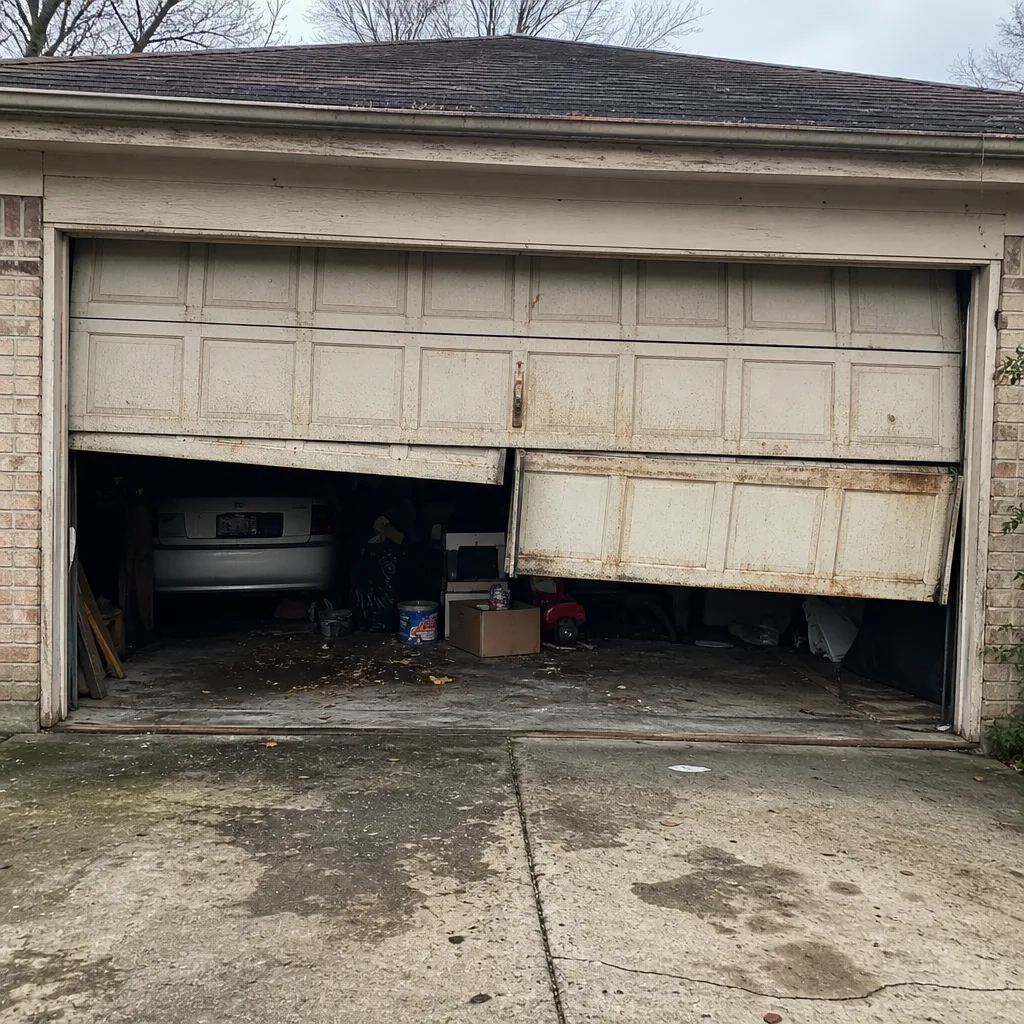 Before
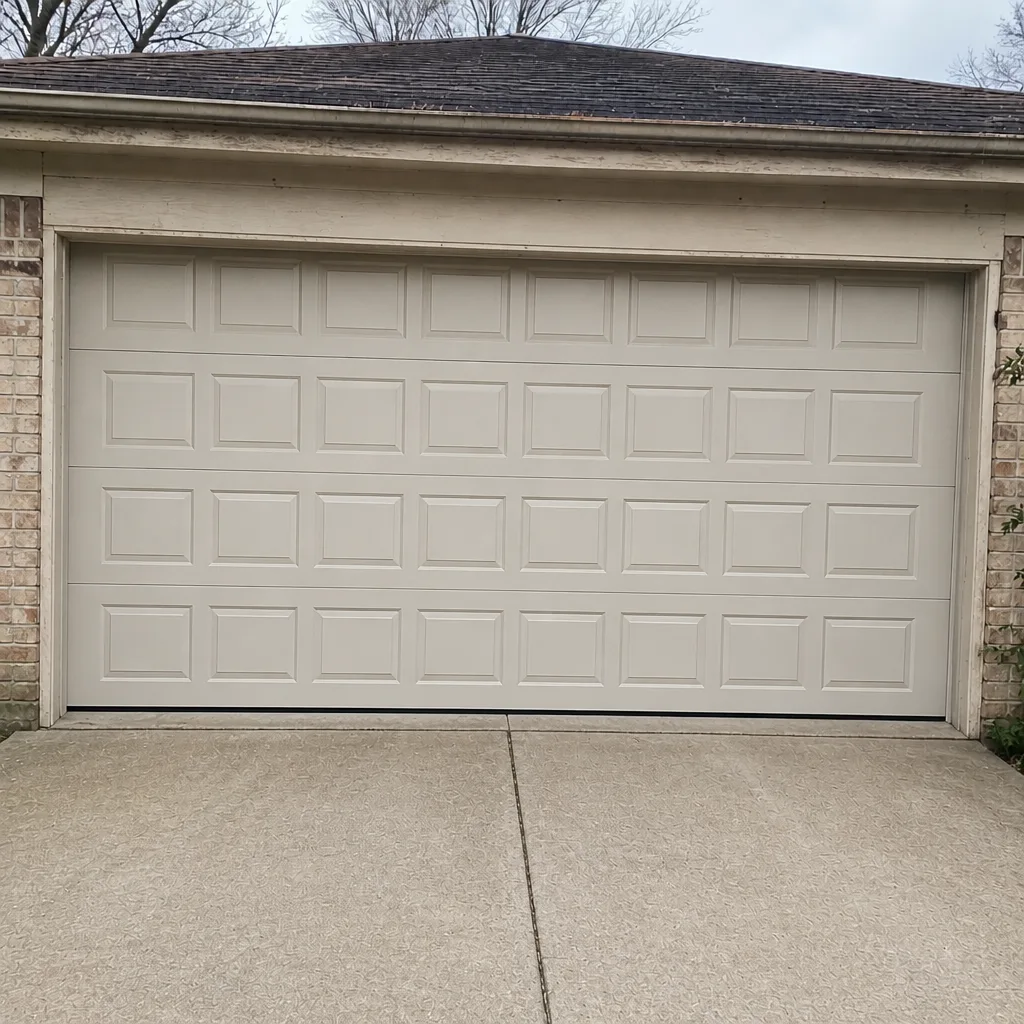 After
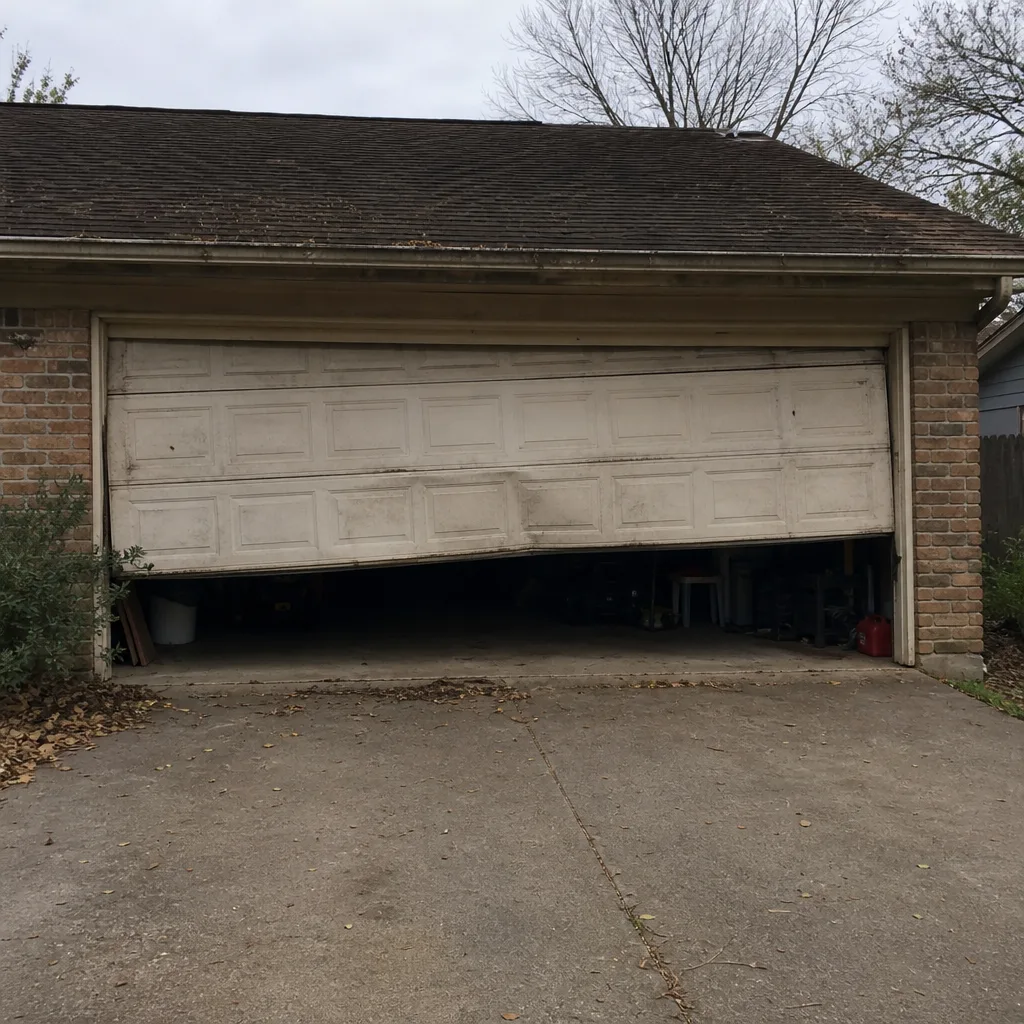 Before
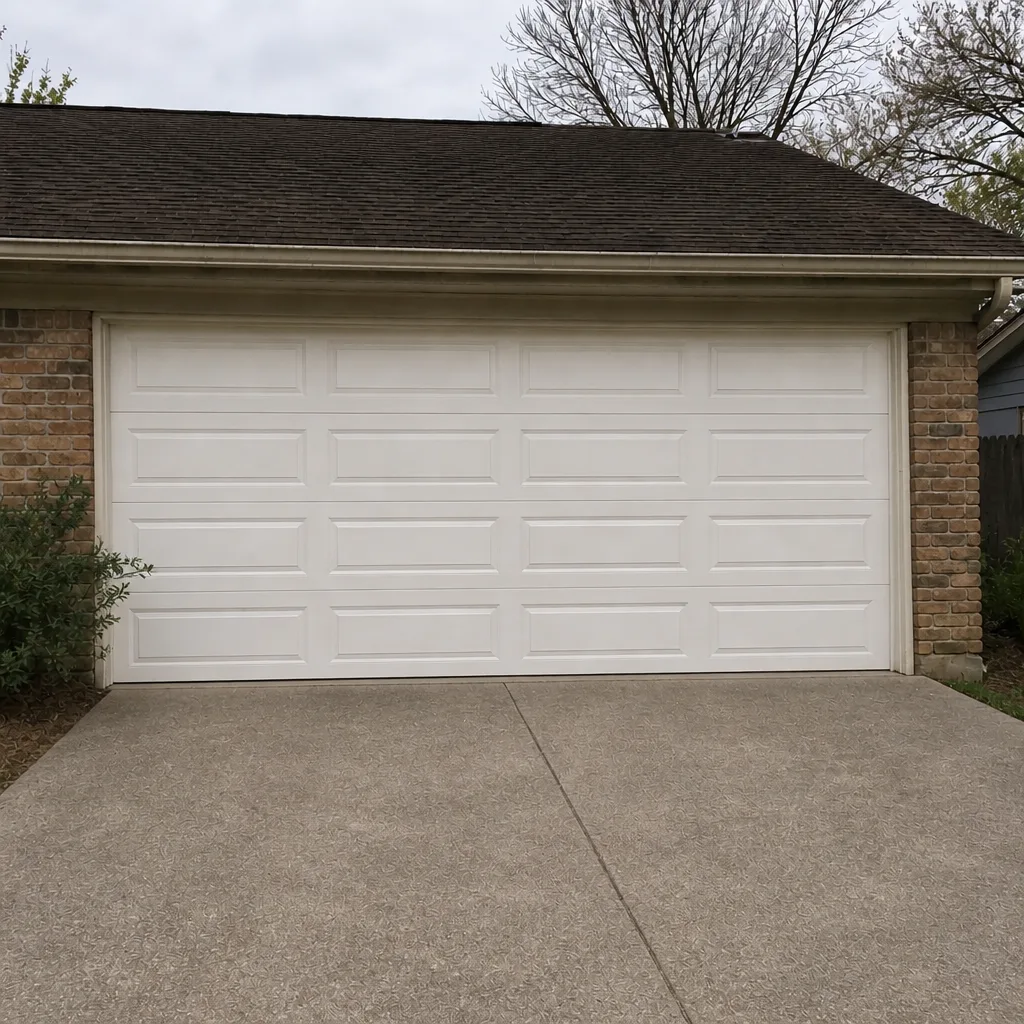 After
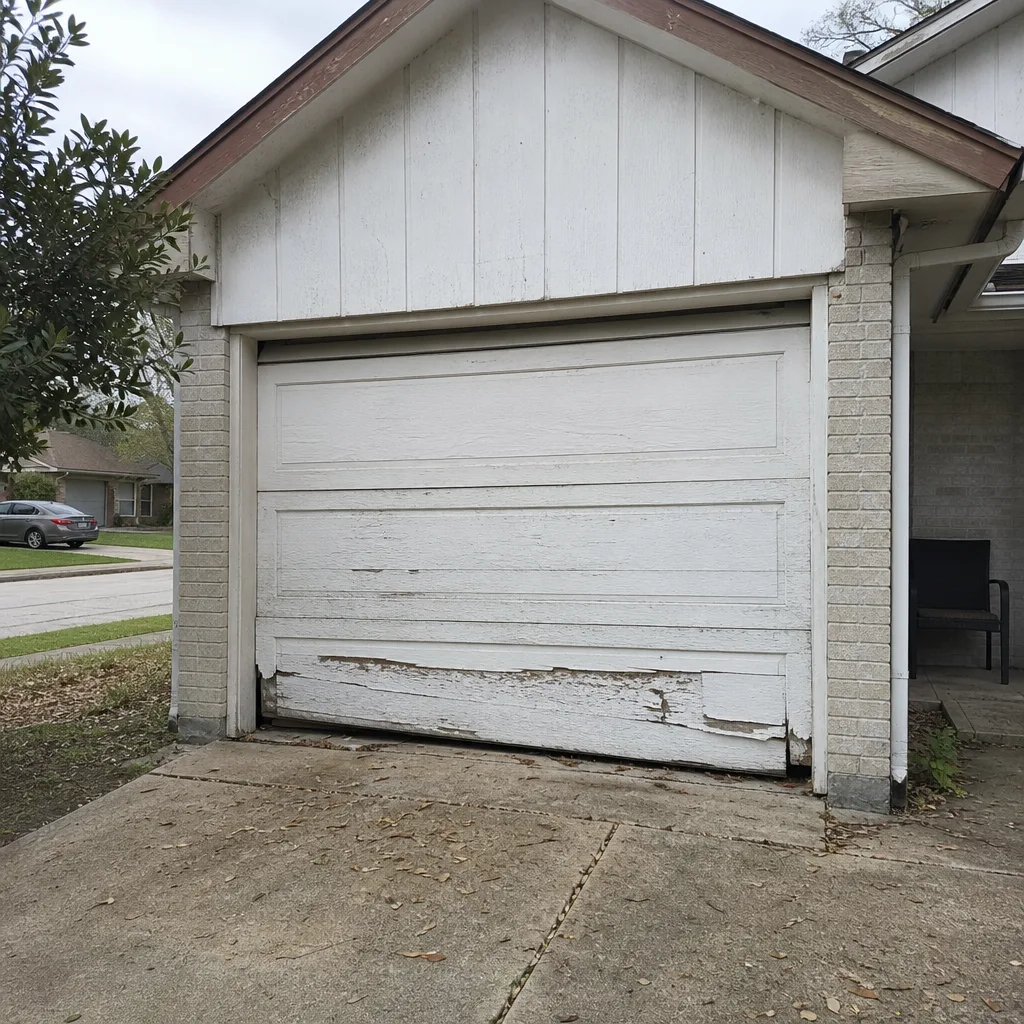 Before
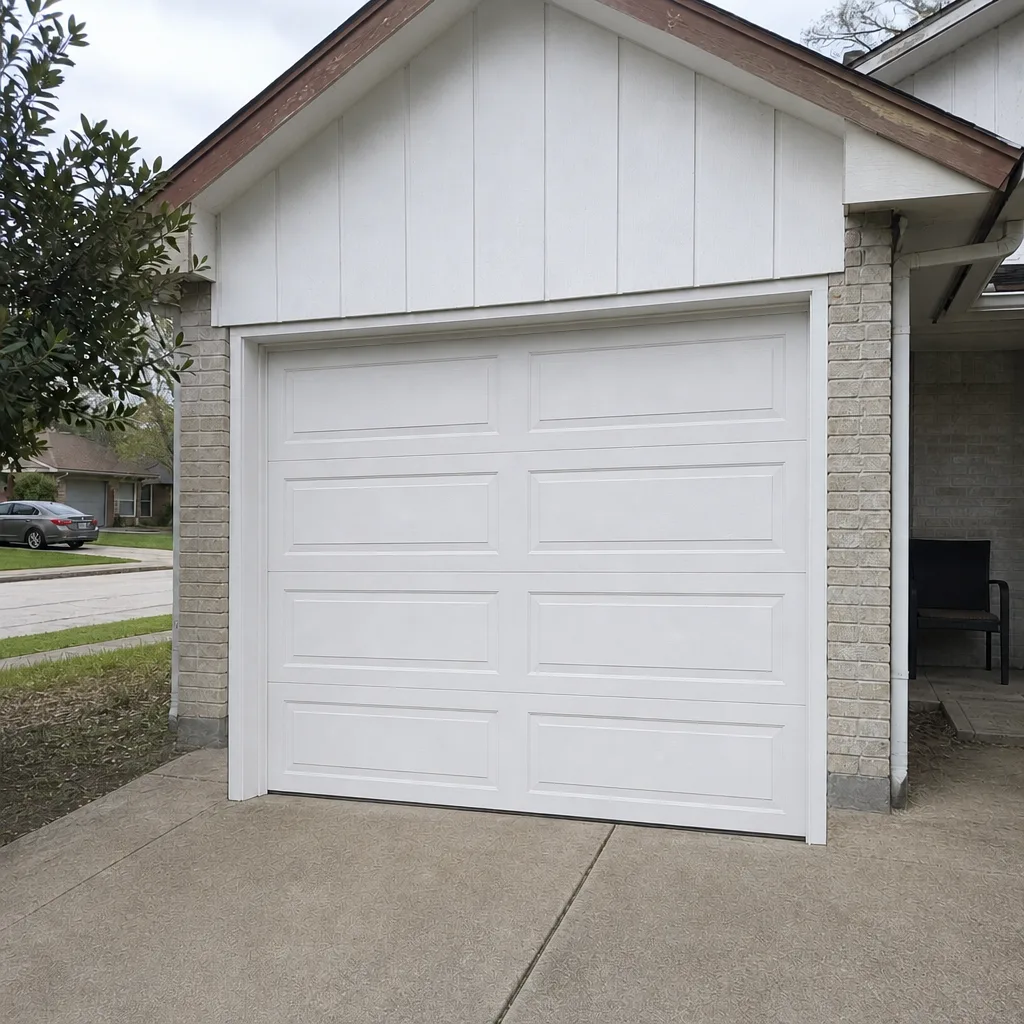 After
When to Call a Professional
Some garage door issues wait a few days. Some don’t. Call a professional immediately if a spring is visibly broken, if the door is hanging off its track, if the opener runs but the door stays put, or if the door reverses on its own before it reaches the floor. If the door is stuck open and you can’t lift it manually, that’s also a call. If you hear a loud bang from the garage and the door won’t lift after, the spring has almost certainly failed and the door is now a security problem as well as a mechanical one. Mission Bend Garage Door Repair Pros offers free estimates in Mission Bend – call (855) 658-5076. Our technicians have up to 10 years of experience, work on the brand already on your door, and quote the price in writing before any work starts.
Frequently Asked Questions
Ask three questions: what brands they service, whether spring work is done in-house or referred out, and how they size a replacement spring. A true specialist names specific brands (LiftMaster, Chamberlain, Clopay, Amarr, and similar), confirms spring work is in-house, and describes sizing by door weight rather than by matching the old part. If the contractor’s website lists garage doors alongside plumbing or general handyman work, they’re a generalist. Call (855) 658-5076 for an exact quote – estimates are free.
Texas doesn’t issue a garage-door-specific trade license the way it does for roofing, plumbing, or electrical work, so a state license isn’t the right check for this job. What you want instead is proof of liability insurance, workers’ compensation coverage if you’re hiring a company, brand-specific technician training (LiftMaster, Clopay, and similar), and warranty terms in writing. Ask for these four things on the first call; a genuine specialist sends them without a follow-up.
Look for separate line items for parts, labor, and warranty. A single “repair” line that bundles everything is the most common way to hide part markups inside labor cost. Request the estimate in writing before the appointment, with a locked total, and confirm that any on-site change requires a revised written estimate. If a contractor won’t put it in writing, that alone tells you something. Call (855) 658-5076 for an exact quote – estimates are free.
A parts warranty covers the cost of the replacement part if it fails; a labor warranty covers the cost of the technician’s time to install the replacement. You want both. A parts-only warranty means you’ll pay for the second visit; a labor-only warranty means you’ll pay for the second part. Ask for both in writing on the estimate, along with what voids each warranty, before any work starts.
Because the most common failure in garage door work is a part sized incorrectly for the door weight, and that mistake is invisible until the second repair. Mission Bend homes often have doors paired with openers that need specific force limits and specific spring sizing. A specialist who works only on garage doors detects these mismatches on the first visit; a generalist finds them on the cleanup visit, after you’ve already paid for the first repair. Call (855) 658-5076 for an exact quote – estimates are free.
It shouldn’t. The estimate you receive in writing is the price, and it’s set before the technician picks up a tool. If a hidden issue turns up on-site (a bent track, a broken hinge, a damaged opener gear), the contractor should stop and give you a revised written estimate for your approval. If you hear “we’ll figure out the price once we’re there,” that’s a red flag. Call (855) 658-5076 for an exact quote – estimates are free.
Yes. We answer 24/7. A call outside dispatch hours is booked into the next opening, Sunday through Friday, 7am to 7pm. We’re closed Saturday. If the door fails when dispatch isn’t running, call and we’ll get you scheduled into the next available window so it’s handled promptly.
The Bottom Line
The Mission Bend homeowner’s biggest hiring mistake isn’t skipping background checks – it’s hiring a multi-trade handyman for a single-trade job and paying twice when the repair fails. The fix is straightforward. Ask five questions to confirm trade focus. Request a written estimate with separate parts, labor, and warranty lines. Confirm insurance before work starts. And understand that for spring and electrical work, specialist training isn’t a luxury; it’s the difference between a repair and a repeat visit. Mission Bend Garage Door Repair Pros works on garage doors only – repair, opener repair, spring repair, installation, and emergency service – on the brands already in your home. That focus is what you’re paying for. Call (855) 658-5076 for a free estimate. We answer 24/7, with fast dispatch from 7am to 7pm, Sunday through Friday. You can also reach our Mission Bend Garage Door Repair Pros team directly for any garage door question, or read more about garage door opener repair if the opener is the part that’s acting up.
Written by the team at Mission Bend Garage Door Repair Pros.